

Exploring the connection between corporate health and wellness programs and insurance premiums is essential in understanding how businesses can benefit from implementing such initiatives. By delving into the details of this relationship, we uncover a world where employee well-being directly impacts financial aspects of a company.
Benefits of Corporate Health and Wellness Programs
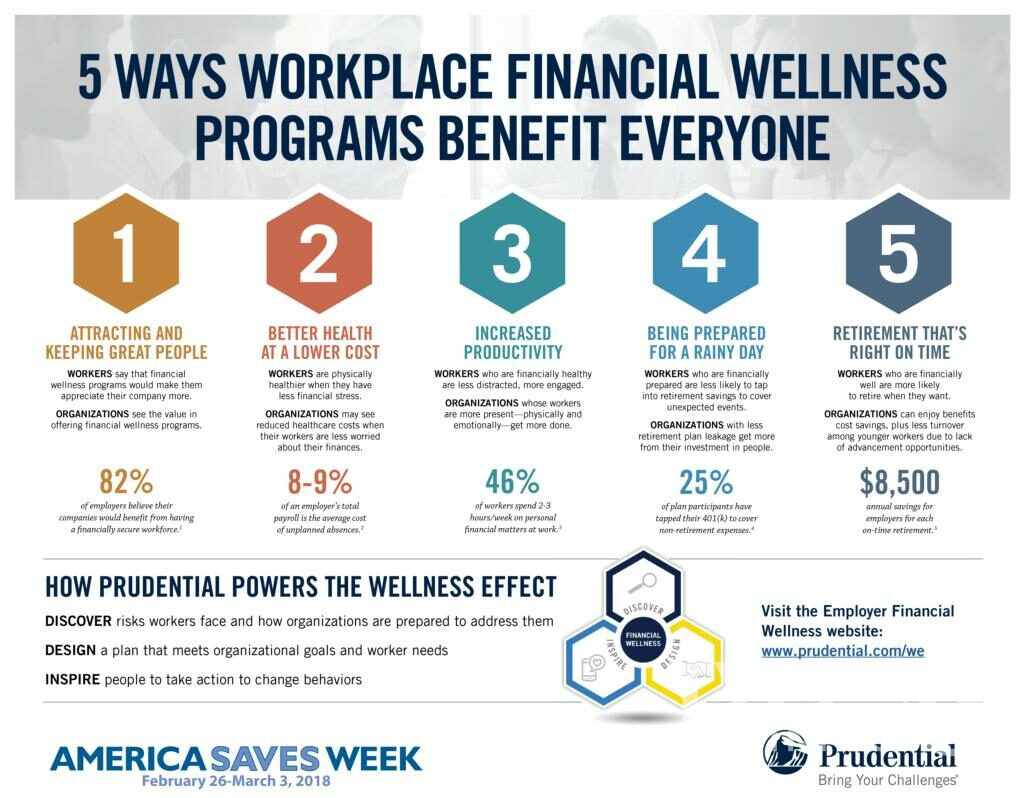 Corporate health and wellness programs play a crucial role in enhancing employee well-being and overall workplace productivity. These programs are designed to promote healthy lifestyles among employees, leading to a multitude of benefits for both the employees and the organization.
Improved Physical Health
Corporate health and wellness programs offer employees access to resources and activities that focus on improving their physical health. This includes gym memberships, fitness classes, nutritional guidance, and health screenings. By participating in these programs, employees can reduce their risk of chronic diseases, manage their weight, and improve their overall physical fitness levels.Enhanced Mental Well-being
In addition to physical health benefits, these programs also prioritize mental well-being. They provide stress management techniques, mental health resources, and counseling services to help employees cope with work-related stressors. By addressing mental health concerns, employees can experience reduced anxiety, improved mood, and increased resilience in the face of challenges.Reduced Absenteeism
One of the key advantages of corporate health and wellness programs is the reduction in absenteeism rates. When employees prioritize their health through regular exercise, healthy eating habits, and stress management, they are less likely to fall ill or take unplanned leaves. This leads to a more engaged and present workforce, ultimately contributing to higher productivity levels.Increased Productivity
By investing in their employees' health and well-being, organizations can significantly boost productivity levels. Healthy employees are more focused, energetic, and motivated to perform their best at work. With reduced absenteeism and improved physical and mental health, employees can work more efficiently, meet deadlines, and contribute positively to the overall success of the company.Impact of Health and Wellness Programs on Insurance Premiums
Corporate health and wellness programs play a significant role in lowering insurance premiums for companies. By promoting a healthier lifestyle among employees, these programs can lead to reduced healthcare costs and, consequently, lower insurance premiums for the organization.Correlation between Employee Participation and Insurance Costs
Employee participation in health and wellness programs has a direct impact on insurance costs for companies. When employees actively engage in these programs and focus on improving their health, they are less likely to experience costly medical issues. This, in turn, results in lower insurance claims and ultimately leads to decreased insurance premiums for the organization.- Employees who participate in regular exercise programs and maintain a healthy diet are less prone to chronic conditions like obesity, diabetes, and heart disease, which are major contributors to high healthcare costs.
- Regular health screenings and preventive care encouraged through wellness programs can help detect issues early on, preventing more serious and expensive medical treatments down the line.
- Overall, a healthier workforce leads to fewer sick days, increased productivity, and lower healthcare expenses, all of which contribute to reduced insurance premiums for the company.
Examples of Insurance Discounts for Companies with Wellness Initiatives
Some insurance companies offer discounts to companies that implement comprehensive health and wellness initiatives for their employees. These discounts serve as incentives for organizations to invest in the well-being of their workforce, ultimately leading to cost savings in the long run.- Insurance providers may offer premium discounts to companies with high employee participation rates in wellness programs, showcasing a commitment to employee health and well-being.
- Companies that can demonstrate positive health outcomes and cost savings as a result of their wellness programs may negotiate lower insurance premiums with their providers, reflecting the tangible benefits of investing in employee health.
- By aligning incentives with healthy behaviors and outcomes, insurance companies encourage employers to prioritize health and wellness initiatives, fostering a culture of well-being within the workplace.
Strategies for Implementing Effective Corporate Health Programs
Implementing successful health and wellness programs in a corporate setting requires careful planning and execution. By following key steps and best practices, companies can promote employee engagement and tailor initiatives to meet the unique needs of different demographics.
Designing a Comprehensive Program
- Conduct a thorough assessment of employee health needs and interests through surveys and focus groups.
- Collaborate with health experts to design a program that includes physical activity, nutrition, mental health, and stress management components.
- Set clear goals and objectives for the program, with measurable outcomes to track progress and success.
- Provide incentives such as rewards or recognition for participation and achievement.
Promoting Employee Engagement
- Communicate the benefits of the program through multiple channels, such as emails, posters, and intranet announcements.
- Offer flexible scheduling options for wellness activities to accommodate different work shifts and preferences.
- Create a supportive and inclusive environment that encourages teamwork and peer support among employees.
- Encourage leadership participation and endorsement to demonstrate organizational commitment to employee health.
Tailoring Health Initiatives to Different Demographics
- Recognize the diverse needs and preferences of employees based on age, gender, cultural background, and job roles.
- Provide a variety of program options to appeal to different interests, such as fitness classes, cooking demonstrations, or meditation sessions.
- Offer resources and support in multiple languages to ensure accessibility for all employees.
- Collect feedback and data on program effectiveness to make continuous improvements and adjustments based on employee input.
Measurement and Evaluation of Program Success
Corporate health and wellness programs are only as effective as their ability to produce tangible results. Measuring and evaluating the success of these programs is crucial to determine their impact on insurance premiums and overall employee well-being.Methods for Measuring Effectiveness
- Employee Participation Rates: Tracking the number of employees engaging in wellness activities can indicate the level of interest and involvement.
- Health Risk Assessments: Conducting regular assessments can help identify health risks and measure progress over time.
- Healthcare Cost Trends: Monitoring changes in healthcare costs before and after implementing the program can provide insights into cost savings.
Data Analysis for Assessing Impact
Data analysis plays a crucial role in evaluating the impact of health and wellness programs on insurance premiums. By analyzing relevant data points, organizations can make informed decisions and adjustments to optimize program effectiveness.Key Performance Indicators (KPIs)
- Reduced Absenteeism Rates: A decrease in absenteeism can indicate improved employee health and well-being.
- Healthcare Cost Savings: Tracking reductions in healthcare costs can demonstrate the financial benefits of the program.
- Employee Satisfaction Surveys: Feedback from employees can provide valuable insights into the perceived impact of the program.
Final Thoughts

In conclusion, the integration of corporate health and wellness programs not only enhances employee health but also has a tangible effect on insurance premiums. By prioritizing the health of their workforce, companies can see a positive impact on their bottom line.
FAQ Compilation
How do corporate health and wellness programs benefit employees?
These programs contribute to improved well-being by offering specific health benefits, reducing absenteeism, and increasing productivity.
Can participating in these programs really impact insurance premiums?
Yes, as employee participation increases, insurance costs can decrease, with some insurance companies even offering discounts for comprehensive wellness initiatives.
What are some key steps for implementing successful corporate health programs?
Designing effective programs, promoting employee engagement, and tailoring initiatives to different employee demographics are crucial strategies for success.
How can the success of these programs be measured?
Methods like data analysis and key performance indicators (KPIs) are used to evaluate the effectiveness of corporate health and wellness programs, including their impact on insurance premiums.

