

Sustainable Investing: Building a Portfolio That Aligns with ESG Standards sets the stage for this enthralling narrative, offering readers a glimpse into a story that is rich in detail with a casual formal language style and brimming with originality from the outset.
As we dive deeper into the world of sustainable investing, we explore the importance of aligning investment portfolios with ESG criteria and the strategies involved in building a sustainable investment portfolio.
Understanding Sustainable Investing
Sustainable investing refers to the practice of considering environmental, social, and governance (ESG) criteria in investment decisions. ESG standards are used to evaluate the sustainability and ethical impact of investments, focusing on factors such as carbon emissions, human rights practices, diversity, and board governance.
Importance of Aligning Portfolios with ESG Criteria
Aligning investment portfolios with ESG criteria is crucial as it allows investors to support companies that are committed to sustainability and responsible business practices. By incorporating ESG factors into investment decisions, investors can promote positive change and drive impact on a global scale.
Impact of Sustainable Investing
Sustainable investing has a significant impact on the environment and society by directing capital towards companies that prioritize sustainability and social responsibility. This approach can lead to reduced carbon emissions, improved labor practices, and enhanced corporate governance, ultimately contributing to a more sustainable and equitable world.
Strategies for Building a Sustainable Investment Portfolio
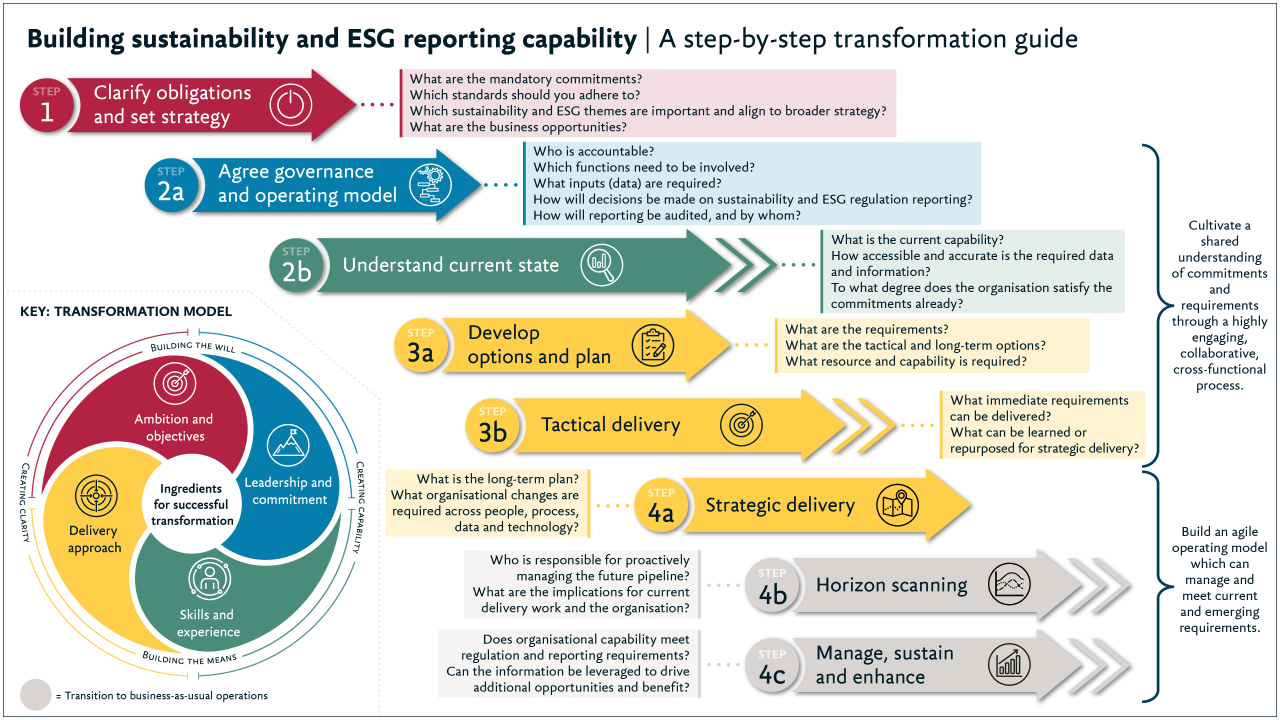 Investors have several approaches to incorporate environmental, social, and governance (ESG) factors into their investment decisions. These strategies aim to align financial goals with sustainable practices that benefit society and the environment.
Integration of ESG Factors
- ESG Integration: This approach involves analyzing ESG criteria alongside traditional financial metrics when evaluating potential investments. By considering sustainability factors, investors can make more informed decisions that align with their values and long-term goals.
- Best-in-Class Selection: Investors focus on companies that excel in ESG performance relative to their industry peers. This strategy seeks to identify leaders in sustainability practices and support their continued success through investment.
- Thematic Investing: This strategy involves targeting specific sustainability themes or sectors, such as renewable energy, clean technology, or water conservation. By investing in companies driving positive change in these areas, investors can support sustainable innovation and growth.
Comparison with Traditional Investment Strategies
- Traditional investment strategies typically prioritize financial returns above all else, often overlooking ESG factors that can impact long-term performance and risk. In contrast, sustainable investing strategies consider a broader range of criteria to assess both financial and non-financial outcomes, leading to more holistic investment decisions.
- Sustainable investing strategies also aim to generate positive impact alongside financial returns, aligning investor values with their investment choices. This dual focus sets sustainable investing apart from traditional approaches that may solely focus on maximizing profits.
Examples of Sustainable Investments
- Renewable Energy Companies: Companies involved in solar, wind, or hydroelectric power generation are often considered sustainable investments due to their role in reducing carbon emissions and promoting clean energy sources.
- Socially Responsible Companies: Businesses that prioritize fair labor practices, diversity and inclusion, and community engagement are viewed as sustainable investments for their positive societal impact.
- Clean Technology Industries: Companies developing innovative solutions for environmental challenges, such as waste reduction, energy efficiency, and pollution control, are attractive options for sustainable investors seeking to support sustainability-focused initiatives.
Evaluating ESG Criteria
In sustainable investing, evaluating ESG criteria is crucial to ensure that companies meet environmental, social, and governance standards. This assessment helps investors make informed decisions that align with their values and objectives.Challenges of Measuring ESG Factors
Measuring the environmental, social, and governance factors of companies can be challenging due to the subjective nature of these criteria. Factors such as carbon emissions, diversity and inclusion practices, and board diversity are not always easily quantifiable. Additionally, companies may report ESG data inconsistently or incompletely, making it difficult to compare across industries and sectors.- Quantitative Metrics: These metrics include specific data points such as carbon emissions, water usage, employee turnover rates, and diversity statistics. These quantitative measures provide a clear picture of a company's performance in relation to ESG criteria.
- Qualitative Assessments: Qualitative assessments involve a more subjective evaluation of a company's ESG practices, such as its commitment to community engagement, employee well-being, and ethical business practices. While qualitative assessments can offer valuable insights, they may lack the precision of quantitative metrics.
- Third-Party Ratings: Some investors rely on third-party ratings agencies that assess companies' ESG performance based on a set of predefined criteria. These ratings provide a standardized way to compare companies and identify leaders and laggards in ESG practices.
Key Metrics for Assessing Companies’ Performance
When evaluating companies against ESG standards, investors often look at key metrics that indicate a company's commitment to sustainability and responsible business practices. These metrics may include:- Carbon Footprint: The amount of greenhouse gas emissions a company produces, often measured in metric tons of CO2 equivalent.
- Board Diversity: The representation of women and minorities on a company's board of directors, indicating a commitment to diversity and inclusion.
- Employee Satisfaction: Measures such as employee engagement scores, turnover rates, and workplace safety records reflect a company's commitment to its workforce.
- Community Impact: Assessing a company's contributions to the communities in which it operates, through philanthropy, volunteerism, and social impact initiatives.
Risks and Benefits of Sustainable Investing
Sustainable investing offers a range of potential risks and benefits to investors looking to align their financial goals with environmental, social, and governance (ESG) considerations. Understanding these aspects is crucial for making informed investment decisions.Potential Risks of Sustainable Investing
- Market Volatility: Investments in sustainable funds may be subject to market fluctuations, similar to traditional investments.
- Greenwashing: Some companies may misrepresent their ESG practices, leading investors to believe they are more sustainable than they actually are.
- Limited Investment Options: The universe of sustainable investment opportunities may be smaller than traditional investment options, potentially limiting diversification.
Long-Term Benefits of Building a Sustainable Investment Portfolio
- Resilience: Companies with strong ESG practices are often better equipped to navigate environmental and social challenges, potentially leading to more stable long-term returns.
- Positive Impact: By investing in companies that prioritize sustainability, investors can contribute to positive social and environmental outcomes, aligning their investments with their values.
- Regulatory Support: Increasing regulatory focus on ESG issues may drive companies to improve their sustainability practices, benefiting investors in the long run.
Financial Returns and Positive Outcomes
- Alpha Potential: Studies have shown that companies with strong ESG performance may outperform their peers over the long term, potentially leading to higher financial returns for investors.
- Risk Mitigation: Integrating ESG factors into investment decisions can help mitigate risks related to environmental and social issues, enhancing the overall risk-return profile of a portfolio.
- Attracting Capital: Companies that demonstrate a commitment to sustainability may attract capital from investors seeking to support businesses that prioritize ESG considerations.
Impact of Sustainable Investing on Financial Markets
Sustainable investing has been gaining momentum in recent years, and its impact on financial markets is becoming increasingly evident. As more investors prioritize environmental, social, and governance (ESG) factors in their investment decisions, the behavior of financial markets is starting to shift towards sustainability-focused initiatives.Influence on Market Behavior
- The rise of sustainable investing has led to a greater emphasis on companies' ESG performance, encouraging transparency and accountability.
- Investors are increasingly recognizing the long-term benefits of sustainable practices, which can result in improved financial performance and risk management.
- As demand for sustainable investments grows, companies are incentivized to adopt more sustainable business practices to attract capital and maintain a positive reputation.
Growth and Future Implications
- The growth of sustainable investing is expected to continue, with more investors integrating ESG criteria into their investment strategies.
- This shift towards sustainability is reshaping the investment landscape, prompting companies to adapt to changing investor preferences and regulatory requirements.
- Sustainable investing trends are likely to drive innovation and influence corporate behavior, ultimately leading to a more sustainable and responsible financial market ecosystem.
Final Thoughts

In conclusion, Sustainable Investing: Building a Portfolio That Aligns with ESG Standards not only offers a pathway to financial growth but also emphasizes the positive impact it can have on society and the environment. By incorporating ESG standards, investors can pave the way for a more sustainable and ethical financial landscape.
Question & Answer Hub
How can I evaluate companies based on ESG criteria?
Companies are evaluated based on their environmental, social, and governance practices. Look at their sustainability reports, transparency in operations, and community engagement.
What are the risks associated with sustainable investing?
Risks include limited diversification, potential volatility in ESG-focused companies, and the challenge of accurately measuring ESG factors.
How does sustainable investing impact financial markets?
Sustainable investing influences market behavior by shifting capital towards companies with strong ESG practices. This can drive positive change and reshape the investment landscape.

