

The ROI of Well B Initiatives: How Much Can Your Company Save? sets the stage for this enthralling narrative, offering readers a glimpse into a story that is rich in detail and brimming with originality from the outset.
As we delve deeper into the topic, we'll explore the various facets of Well B initiatives and their impact on company savings.
Importance of Well B Initiatives
Well B initiatives play a crucial role in the corporate world by focusing on the holistic well-being of employees. These initiatives go beyond traditional wellness programs and emphasize mental, emotional, and social aspects of health.
Key Benefits of Well B Initiatives
- Promote a Healthy Work Environment: Well B initiatives create a positive and supportive work environment, leading to higher employee satisfaction and retention.
- Enhance Productivity: By addressing factors like stress and burnout, these initiatives help employees improve focus, creativity, and overall performance.
- Reduce Healthcare Costs: Investing in employee well-being can lead to lower healthcare expenses for the company due to improved overall health and reduced absenteeism.
- Boost Employee Engagement: Well B initiatives show employees that their well-being is a priority for the company, leading to increased engagement and motivation.
Contribution to Employee Well-being and Productivity
Well B initiatives contribute significantly to employee well-being by providing resources and support for mental health, stress management, work-life balance, and personal development. When employees feel valued and supported, they are more likely to be engaged, productive, and loyal to the company.
Cost Savings from Well B Initiatives
Investing in Well B initiatives can lead to significant cost savings for a company. By focusing on employee well-being, companies can reduce healthcare costs, improve productivity, and decrease turnover rates. Let's explore how these initiatives can impact a company's bottom line.Healthcare Cost Reduction
Well B initiatives that promote healthy lifestyles and preventive care can help employees avoid costly medical treatments. This can lead to lower healthcare costs for both employees and employers, as insurance claims decrease and overall health improves.Productivity Improvement
When employees are happy and healthy, they are more productive at work. Well B initiatives that focus on mental health, stress management, and work-life balance can boost employee morale and engagement, leading to increased productivity and efficiency in the workplace.Turnover Rate Reduction
High turnover rates can be costly for companies due to recruitment and training expenses. Well B initiatives that prioritize employee well-being and job satisfaction can help reduce turnover rates by creating a positive work environment where employees feel valued and supported.Overall, investing in Well B initiatives can result in cost savings for companies in the long run. By prioritizing employee well-being, companies can not only save money but also create a healthier and more productive workforce.Types of Well B Initiatives
Implementing various types of Well B initiatives can greatly benefit both employees and organizations by improving health outcomes and reducing costs. Here are some common types of Well B initiatives:
Physical Activity Programs
- Physical activity programs promote regular exercise among employees, leading to improved fitness levels and overall health.
- These initiatives can help reduce absenteeism, boost productivity, and lower healthcare costs for the organization.
Nutrition and Healthy Eating Initiatives
- Nutrition and healthy eating programs educate employees on making better food choices and encourage healthy eating habits.
- By promoting healthier diets, organizations can see a decrease in chronic diseases, such as obesity and diabetes, leading to cost savings on healthcare expenses.
Mental Health and Stress Management Programs
- Mental health and stress management initiatives provide resources and support for employees dealing with mental health issues and stress.
- These programs can improve employee well-being, reduce burnout, and enhance job satisfaction, ultimately lowering turnover rates and associated costs.
Work-Life Balance Policies
- Work-life balance policies help employees maintain a healthy balance between their personal and professional lives.
- By promoting a better work-life balance, organizations can improve employee morale, increase retention rates, and reduce recruitment and training costs.
Smoking Cessation Programs
- Smoking cessation programs support employees in quitting smoking and promote a smoke-free work environment.
- By reducing smoking rates among employees, organizations can lower healthcare costs related to smoking-related diseases and improve overall employee health.
Calculating ROI of Well B Initiatives
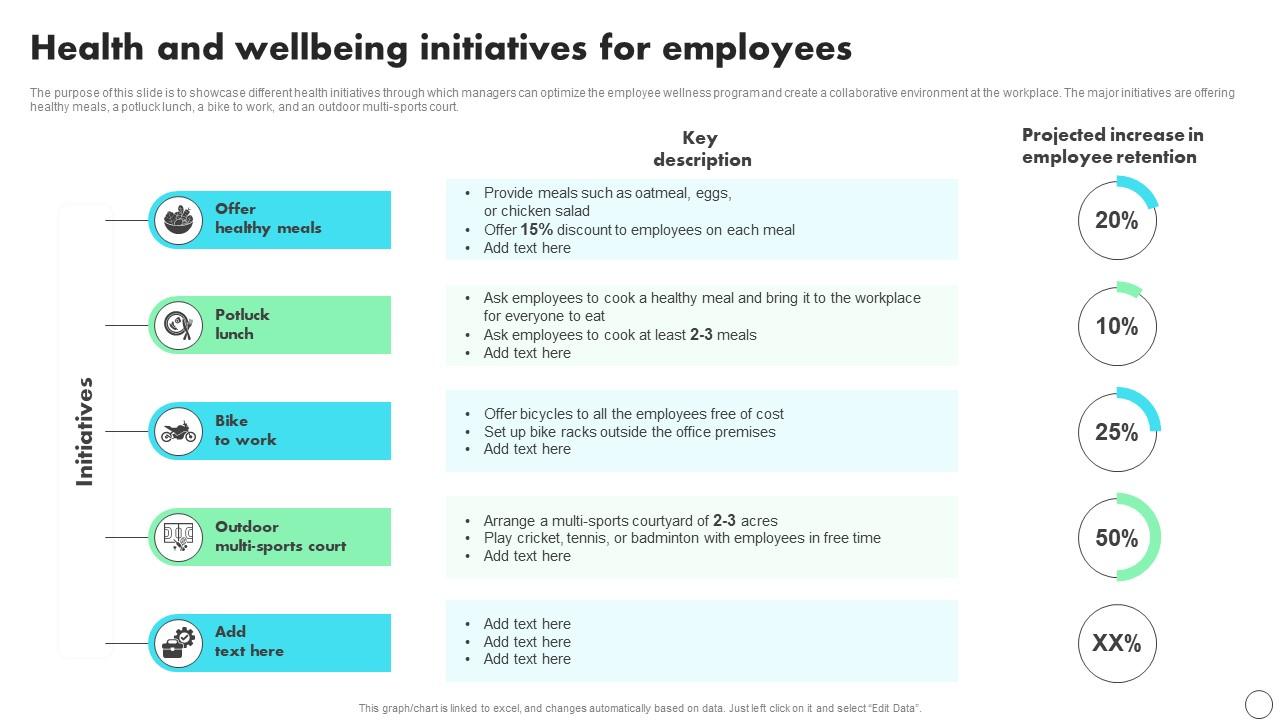
Calculating the return on investment (ROI) for Well B initiatives is essential for companies to understand the financial impact of their sustainability efforts. By accurately measuring the ROI, organizations can make informed decisions and track the effectiveness of their Well B programs.
Methods for Calculating ROI
There are several methods that companies can use to calculate the ROI of their Well B initiatives. One common approach is to compare the costs of implementing the initiative with the savings generated over a specific period. This calculation can be done using the following formula:
ROI = (Net Savings / Cost of Implementation) x 100
Key Factors Considered
- The initial investment required for the Well B initiative
- The expected savings or benefits generated over time
- The timeframe for realizing the financial impact
- The cost of monitoring and reporting on the initiative
- Potential risks and uncertainties that may affect the ROI
Measuring ROI Step-by-Step Guide
- Identify the Well B initiative to evaluate
- Determine the total cost of implementing the initiative, including any upfront expenses
- Estimate the expected savings or benefits that will result from the initiative
- Calculate the net savings by subtracting the total cost from the benefits
- Apply the ROI formula to determine the percentage return on investment
- Monitor and track the financial impact of the Well B initiative over time
Final Review
In conclusion, The ROI of Well B Initiatives: How Much Can Your Company Save? sheds light on the potential benefits for companies investing in employee well-being initiatives, ultimately leading to financial savings and a healthier work environment.
FAQ Guide
What are the key benefits of Well B initiatives?
Well B initiatives can enhance employee well-being, boost productivity, and contribute to a positive work culture.
How can Well B initiatives lead to cost savings?
By promoting a healthier workforce, reducing absenteeism, and improving employee retention rates, companies can experience significant cost savings.
What types of Well B initiatives are commonly implemented in organizations?
Common Well B initiatives include wellness programs, stress management workshops, and flexible work arrangements.
