

Why UK Businesses are Investing Heavily in Corporate Health and Wellness - an engaging title to draw readers in. This topic explores the significance of corporate health and wellness investments in the UK business landscape.
Exploring the benefits, trends, legal considerations, and ROI of such investments sheds light on the proactive approach many businesses are taking to prioritize employee well-being.
Importance of Corporate Health and Wellness
Investing in employee health is crucial for businesses as it brings a multitude of benefits. A healthy workforce can significantly impact productivity and morale within the company, leading to increased efficiency and overall satisfaction among employees.Benefits of Investing in Employee Health
- Reduced absenteeism and healthcare costs
- Improved employee engagement and retention
- Enhanced overall productivity and performance
Successful Corporate Wellness Programs in the UK
- Unilever's "Wellness Week" offering health screenings, fitness classes, and mental health support
- Barclays' "Thrive" program focusing on mental health and well-being initiatives
- BP's "Health Matters" campaign promoting healthy lifestyle choices through education and incentives
Trends in Corporate Health and Wellness Investment
Employee wellness initiatives have become increasingly popular among UK businesses as they recognize the importance of promoting health and well-being in the workplace. This not only improves employee productivity and morale but also helps in reducing healthcare costs for the company.
Investment Levels in Corporate Health Programs
Large enterprises in the UK are typically leading the way in investing heavily in corporate health programs. They have the resources to implement comprehensive wellness initiatives, including on-site gyms, mental health support, and wellness workshops. On the other hand, small businesses may face budget constraints that limit their investment in employee health and wellness programs. However, many small enterprises are also realizing the benefits of such programs and are starting to allocate more resources towards promoting employee well-being.
Role of Technology in Promoting Health and Wellness
Technology plays a crucial role in promoting health and wellness at work by providing innovative solutions to track and improve employee well-being. From wearable fitness trackers to wellness apps, technology enables employees to monitor their health metrics, set goals, and stay motivated to lead a healthier lifestyle. Companies are also leveraging technology to offer virtual fitness classes, mental health resources, and telemedicine services to support their employees' well-being, especially in remote work settings.
Legal and Ethical Considerations
 When it comes to corporate health and wellness, businesses need to consider both legal requirements and ethical considerations to ensure the well-being of their employees. This involves understanding the regulations that govern employee health and wellness programs, as well as upholding ethical standards in implementing these initiatives.
Legal Requirements for Businesses
- Businesses must comply with laws such as the Occupational Safety and Health Act (OSHA) which require employers to provide a safe and healthy work environment for their employees.
- Employers may also need to adhere to specific regulations related to employee privacy, such as the Health Insurance Portability and Accountability Act (HIPAA), when implementing wellness programs.
- Some states may have additional laws regarding workplace wellness programs, so it's crucial for businesses to stay informed and ensure compliance at all times.
Ethical Considerations in Wellness Programs
- Businesses should prioritize the well-being of their employees and ensure that wellness programs are designed to benefit them, rather than solely focusing on cost-cutting measures.
- Ethical considerations also include respecting employee privacy and autonomy, ensuring that participation in wellness programs is voluntary and confidential.
- Transparency is key in ethical wellness program implementation, with clear communication about the goals, benefits, and potential risks involved.
Promoting Compliance and Employee Well-Being
- Businesses can ensure compliance with legal regulations by staying updated on the latest laws and seeking legal counsel when implementing wellness programs.
- By involving employees in the decision-making process and gathering feedback on wellness initiatives, businesses can create programs that are both compliant and effective in promoting employee well-being.
- Regular audits and assessments of wellness programs can help identify areas for improvement and ensure that businesses are meeting both legal and ethical standards in their approach to corporate health and wellness.
Return on Investment (ROI) of Corporate Health Programs
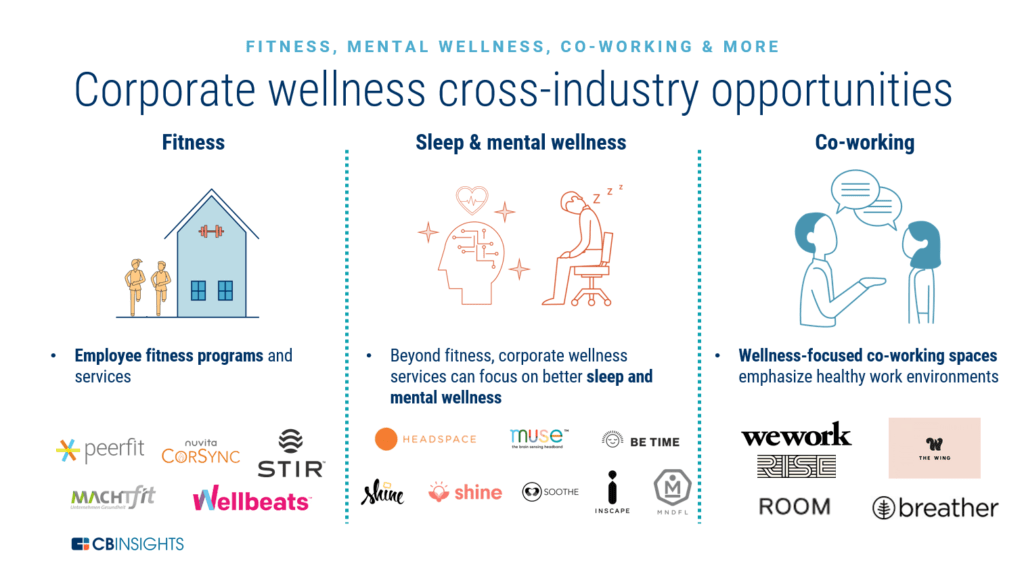 Investing in corporate health programs can lead to significant cost savings for businesses in the long run. By prioritizing the well-being of employees, companies can reduce absenteeism, improve productivity, and enhance employee morale, ultimately impacting the bottom line positively.
Cost Savings and Improved Productivity
- Reduced healthcare costs: Companies that invest in employee health and wellness programs often see a decrease in healthcare expenses due to lower rates of chronic diseases, fewer doctor visits, and decreased hospitalizations.
- Lower absenteeism: Healthy employees are less likely to call in sick, leading to reduced absenteeism rates and ensuring business operations run smoothly.
- Increased productivity: When employees are physically and mentally well, they tend to be more focused, motivated, and productive at work, contributing to overall business success.
Case Studies and Examples
- Johnson & Johnson: The company reported a $2.71 return on investment for every dollar spent on employee wellness programs, showcasing the financial benefits of prioritizing employee health.
- Google: Through its various health and wellness initiatives, Google saw a significant decrease in healthcare costs and an improvement in employee satisfaction and retention rates.
Metrics for Measuring Success
- Health risk assessments: Tracking changes in employees' health risks over time can provide valuable insights into the effectiveness of wellness programs.
- Absenteeism rates: Monitoring absenteeism rates before and after implementing health programs can help quantify the impact on employee attendance and productivity.
- Employee engagement surveys: Regular surveys can gauge employee satisfaction, participation, and perceived benefits of health and wellness initiatives.
End of Discussion
In conclusion, the emphasis on corporate health and wellness investments by UK businesses reflects a shift towards a more holistic approach to employee welfare. By understanding the importance, trends, legal aspects, and returns on such investments, businesses can foster a healthier and more productive work environment.
Top FAQs
What are the key benefits of investing in employee health?
Investing in employee health can lead to reduced absenteeism, increased productivity, improved morale, and overall cost savings for businesses.
How do small and large enterprises compare in their investment levels in corporate health programs?
Small enterprises may have more budget constraints but can still implement effective wellness programs. Large enterprises often have more resources to invest in comprehensive health initiatives.
What are the legal requirements for businesses regarding employee health and wellness?
Businesses must comply with regulations related to health and safety standards, data protection, and employee rights when implementing wellness programs.
How can businesses ensure compliance with regulations while promoting employee well-being?
Businesses can achieve this by having clear policies, conducting regular assessments, providing necessary training, and prioritizing employee feedback in wellness initiatives.
What metrics are commonly used to measure the success of corporate health and wellness initiatives?
Metrics such as employee engagement levels, absenteeism rates, healthcare cost reduction, and overall workforce satisfaction are often used to gauge the effectiveness of wellness programs.

