

In the realm of Corporate Health and Wellness: Strategies to Increase Employee Retention in 2026, readers are invited to explore a world where the importance of health programs in corporations, evolving trends, and strategies for employee retention are dissected with precision. This introductory passage sets the stage for an enlightening journey through the landscape of workplace well-being.
The subsequent paragraph will delve deeper into the intricacies of the topic, providing a comprehensive understanding of the subject matter.
Importance of Corporate Health and Wellness Programs
Implementing health and wellness programs in corporations is crucial for promoting the overall well-being of employees. These programs play a significant role in enhancing employee satisfaction, productivity, and morale within the workplace.
Contribution to Employee Satisfaction and Well-being
Health and wellness programs contribute to employee satisfaction by providing access to resources and support for physical, mental, and emotional well-being. When employees feel supported in their health and wellness goals, they are more likely to feel valued and appreciated by their organization.
Comparison of Employee Retention Rates
Organizations that offer comprehensive health and wellness programs tend to have higher employee retention rates compared to those that do not. Employees are more likely to stay with a company that prioritizes their health and well-being, leading to lower turnover rates and increased loyalty.
Trends in Corporate Health and Wellness Programs by 2026
The landscape of corporate health and wellness programs is constantly evolving to meet the changing needs of employees and employers alike. As we look ahead to 2026, several trends are expected to shape the future of these initiatives.Technological Advancements in Health and Wellness Programs
With the rapid advancements in technology, corporate health and wellness programs are likely to leverage innovative tools and platforms to enhance employee engagement and participation. Wearable devices, personalized health apps, and virtual reality experiences may become more prominent in promoting healthy behaviors and tracking progress.Focus on Mental Health and Wellbeing
In light of the increasing awareness around mental health issues, corporate wellness programs are expected to place a greater emphasis on mental wellbeing. Employers may offer resources such as mindfulness apps, virtual therapy sessions, and stress management workshops to support their employees' mental health needs.Hybrid and Flexible Programs
The rise of remote work has transformed the way employees interact with their workplace environments. In response, corporate health and wellness programs are likely to adopt hybrid approaches that cater to both in-person and remote employees. This may involve offering virtual fitness classes, telehealth services, and flexible scheduling options to accommodate diverse work settings.Data-Driven Decision Making
Data analytics and insights are poised to play a crucial role in shaping the future of corporate health and wellness programs. Employers may use data collected from wearable devices, health assessments, and surveys to tailor wellness initiatives to the specific needs and preferences of their employees. This data-driven approach can lead to more targeted and effective program designs.Emphasis on Work-Life Integration
In recognition of the blurring boundaries between work and personal life, corporate wellness programs may focus on promoting work-life integration. Employers could introduce policies that support work flexibility, encourage unplugging after hours, and provide resources for maintaining a healthy work-life balance. By prioritizing holistic wellbeing, organizations can create a more supportive and sustainable work environment for their employees.Strategies to Enhance Employee Retention Through Health and Wellness
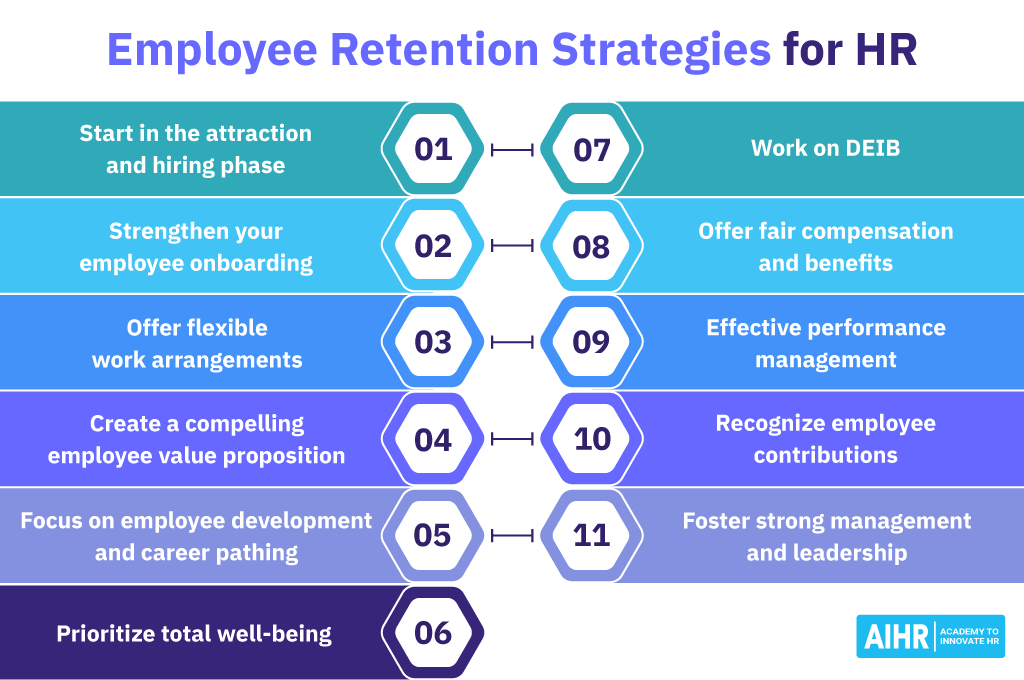 Employee retention can be significantly improved by implementing effective health and wellness strategies in the workplace. These initiatives not only promote the well-being of employees but also contribute to a more positive work environment, leading to increased job satisfaction and loyalty.
Innovative Approaches to Promote Employee Engagement Through Wellness Activities
- Introducing virtual wellness challenges and competitions to encourage participation and healthy habits among employees.
- Implementing flexible work schedules to allow employees to prioritize their well-being and participate in wellness programs without feeling overwhelmed.
- Offering mindfulness and meditation sessions to help reduce stress and improve mental health, ultimately boosting employee engagement.
Successful Wellness Initiatives That Have Positively Influenced Retention Rates
- Providing healthy snack options in the office and promoting nutritious eating habits among employees.
- Organizing team-building activities that incorporate physical exercise, such as group workouts or sports events.
- Offering employee assistance programs (EAPs) that provide support for mental health issues and work-life balance challenges.
The Role of Leadership in Fostering a Culture of Health and Well-being Within the Organization
- Leading by example and actively participating in wellness initiatives to demonstrate the importance of employee health.
- Creating a supportive environment where employees feel comfortable discussing their well-being and seeking help when needed.
- Investing in training programs for managers to recognize signs of burnout and mental health issues in their teams, and providing resources for support.
Measuring the Effectiveness of Corporate Health and Wellness Programs
Measuring the effectiveness of corporate health and wellness programs is crucial to understanding their impact on employee retention and overall organizational success. Key performance indicators (KPIs) play a vital role in evaluating the success of these initiatives.
Key Performance Indicators (KPIs) for Health and Wellness Programs
- Evaluation of employee engagement levels before and after the implementation of wellness programs.
- Reduction in absenteeism rates and increase in productivity levels.
- Healthcare cost savings for the organization due to improved employee health.
- Surveys to assess employee satisfaction and perceived value of the wellness offerings.
Utilizing Data Analytics for Impact Assessment
Data analytics can be leveraged to assess the impact of health and wellness programs on employee retention by analyzing trends, patterns, and correlations in employee data. By tracking metrics such as participation rates, health outcomes, and feedback, organizations can gain valuable insights into the effectiveness of their programs.
Collecting Feedback for Continuous Improvement
- Implement regular surveys or focus groups to gather feedback from employees on their experiences with health and wellness initiatives.
- Encourage open communication channels for employees to share suggestions and concerns regarding the programs.
- Utilize feedback to make data-driven decisions and continuously improve the quality and relevance of health and wellness offerings.
Closure
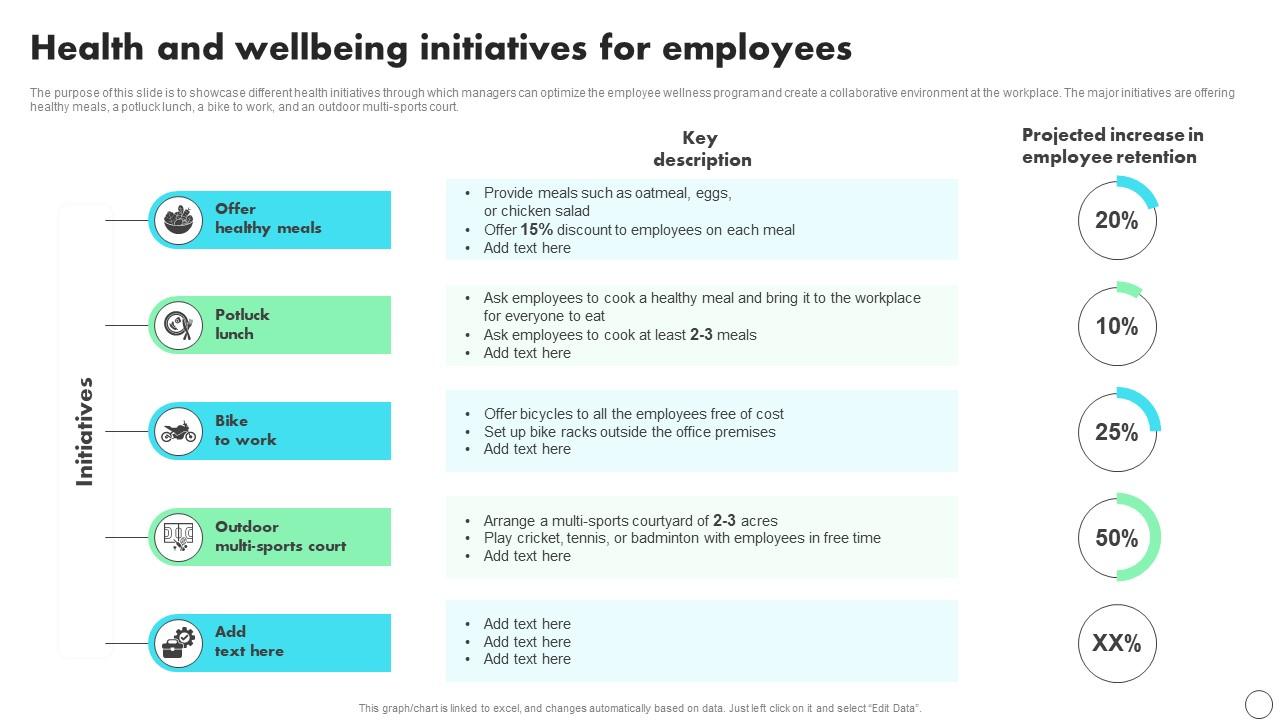
As we conclude our exploration of Corporate Health and Wellness: Strategies to Increase Employee Retention in 2026, we underscore the vital role of wellness initiatives in shaping the future of employee engagement and satisfaction. This closing segment encapsulates the essence of our discussion, leaving readers with a newfound appreciation for the significance of prioritizing health in the workplace.
Essential FAQs
How can corporate health and wellness programs impact employee retention?
Corporate health and wellness programs can contribute to higher employee retention rates by promoting a healthier work environment, increasing job satisfaction, and reducing absenteeism.
What are some innovative strategies to enhance employee retention through wellness activities?
Innovative strategies include personalized wellness plans, mental health support, fitness challenges, and creating a culture that values well-being.
How can organizations measure the effectiveness of their health and wellness programs?
Organizations can measure effectiveness through key performance indicators (KPIs), employee feedback surveys, health assessments, and tracking changes in retention rates.

