

Embark on a journey through The Ultimate Checklist for a Successful Employee Wellness Month, where we delve into the crucial aspects of prioritizing employee well-being within organizations. From planning to evaluation, this guide covers it all.
Importance of Employee Wellness Month
Dedicating a month to employee wellness is crucial for organizations as it highlights the significance of prioritizing the well-being of their employees.
By focusing on employee wellness, organizations can improve productivity and morale in various ways:
Improved Productivity
- Healthy employees are more likely to be engaged and motivated, leading to increased productivity levels.
- Reduced absenteeism due to better physical and mental health results in a more efficient workforce.
- Providing wellness programs can help employees manage stress effectively, leading to better focus and performance at work.
Enhanced Morale
- Showing care for employees' well-being creates a positive work culture and fosters loyalty among staff members.
- Wellness initiatives can boost team spirit and collaboration, creating a supportive environment for everyone.
- Recognizing and rewarding employees who prioritize their health encourages a sense of value and belonging within the organization.
Long-Term Benefits
- Investing in employee wellness leads to reduced healthcare costs for the organization in the long run.
- Healthy employees are more likely to stay with the company, reducing turnover rates and retaining valuable talent.
- A workplace that promotes wellness attracts top talent, enhancing the organization's reputation and competitiveness in the industry.
Planning and Preparation
When it comes to planning a successful Employee Wellness Month, there are several key steps that need to be taken to ensure the initiative runs smoothly and effectively.
Identifying Key Stakeholders
- Engage with HR: Human Resources is crucial in organizing and coordinating wellness activities as they have insights into employee needs and preferences.
- Involve Management: Getting buy-in from upper management is essential for securing resources and support for wellness initiatives.
- Consult with Employees: Including employees in the planning process ensures that their voices are heard and their wellness needs are addressed.
Setting Measurable Goals and Objectives
- Define Objectives: Clearly Artikel what you want to achieve with the Employee Wellness Month, such as reducing stress, improving physical health, or boosting morale.
- Establish Metrics: Determine how you will measure the success of the initiatives, whether through participation rates, health assessments, or feedback surveys.
- Set Realistic Targets: Ensure that the goals set are achievable within the given timeframe and align with the overall wellness strategy of the organization.
Wellness Activities and Programs
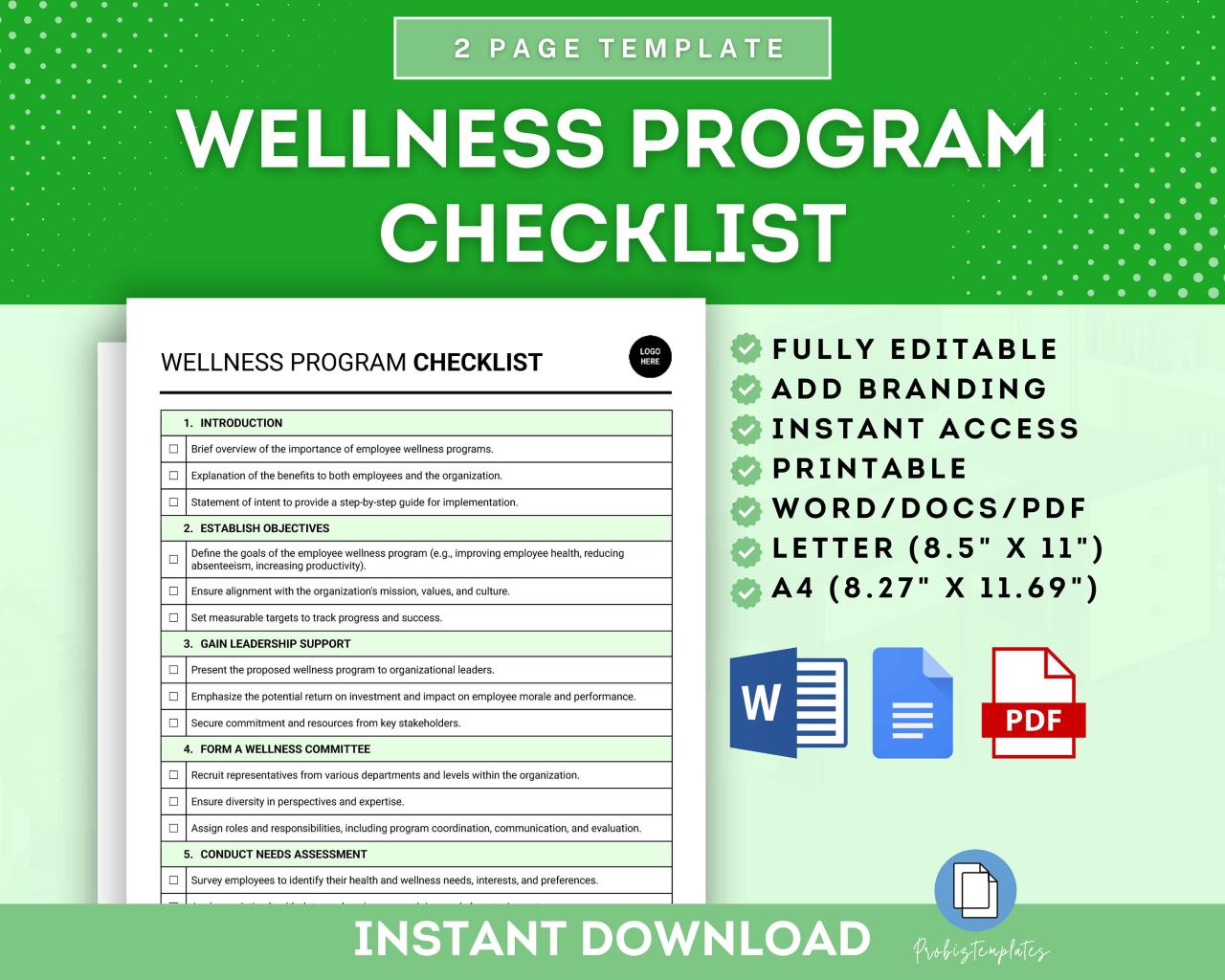
Employee Wellness Month is the perfect time to introduce a variety of activities and programs that promote physical, mental, and emotional well-being in the workplace. These initiatives can help boost employee morale, productivity, and overall satisfaction.
Physical Well-being Activities
- Group fitness classes such as yoga, Zumba, or pilates
- Step challenge to encourage walking and movement
- Healthy cooking demonstrations or nutritional workshops
Mental Well-being Activities
- Guided meditation sessions to reduce stress and improve focus
- Mindfulness workshops to promote present-moment awareness
- Stress management seminars to provide coping strategies
Emotional Well-being Activities
- Art therapy workshops for creative expression
- Emotional intelligence training to enhance interpersonal skills
- Gratitude journaling to cultivate a positive mindset
When planning wellness activities, it's crucial to consider the diverse needs and preferences of your employees. Ensure that the programs offered cater to a wide range of interests and abilities. For example, you can provide options for both introverted and extroverted individuals, as well as activities that accommodate varying fitness levels. By tailoring your wellness initiatives to the diverse employee population, you can create a more inclusive and engaging experience for everyone involved.
Communication and Engagement
Effective communication and engagement are key components of a successful Employee Wellness Month initiativeStrategies for Communicating Employee Wellness Month Initiatives
- Utilize multiple communication channels such as email, posters, newsletters, and intranet announcements to reach employees.
- Clearly Artikel the goals, schedule, and benefits of the wellness program to generate interest and participation.
- Provide regular updates and reminders about upcoming events and activities to keep employees engaged.
- Encourage feedback and suggestions from employees to tailor wellness initiatives to their preferences and needs.
Encouraging Active Participation and Engagement
- Offer incentives or rewards for employees who actively participate in wellness activities, such as gift cards, extra time off, or wellness-related prizes.
- Create friendly competition or team challenges to motivate employees to engage in healthy behaviors together.
- Provide opportunities for social interaction and networking during wellness events to foster a sense of community and support among employees.
- Celebrate and recognize employee achievements and milestones in their wellness journey to boost motivation and engagement.
Creating a Supportive and Inclusive Wellness Culture
- Encourage leadership to actively participate in wellness initiatives to set a positive example for employees.
- Promote a non-judgmental and inclusive environment where employees of all fitness levels and health conditions feel comfortable participating in wellness activities.
- Provide resources and support for employees to develop healthy habits both inside and outside the workplace, such as access to fitness classes, mental health resources, and nutrition guidance.
- Foster open communication and feedback channels for employees to share their wellness needs and challenges, and work together to address them as a team.
Evaluation and Feedback
It is crucial to evaluate the success of Employee Wellness Month activities to determine their impact on employee well-being and overall satisfaction. Gathering feedback from employees allows you to understand what worked well, what could be improved, and how to tailor future wellness programs to better meet the needs of your workforce.
Methods for Collecting Feedback
- Surveys: Distribute anonymous surveys to employees to gather honest feedback about their experience with the wellness initiatives.
- Focus Groups: Organize focus group discussions to delve deeper into specific aspects of the programs and gather qualitative feedback.
- One-on-One Meetings: Schedule individual meetings with employees to discuss their thoughts and suggestions in a more personal setting.
- Suggestion Box: Provide a physical or digital suggestion box where employees can submit their feedback anonymously.
Using Feedback to Improve Future Programs
- Identify Trends: Analyze the feedback collected to identify common themes or trends that can guide improvements for future wellness initiatives.
- Implement Changes: Use the feedback to make necessary adjustments to existing programs or introduce new initiatives based on employee suggestions.
- Communicate Updates: Keep employees informed about how their feedback has been utilized and the changes implemented as a result.
- Evaluate Progress: Continuously monitor the impact of the changes made based on feedback to ensure ongoing improvement in employee well-being.
Ending Remarks
Concluding our discussion on The Ultimate Checklist for a Successful Employee Wellness Month, it's evident that fostering a culture of well-being among employees leads to long-term benefits for both individuals and organizations. Implement these strategies to see positive changes in your workplace.
Helpful Answers
How can prioritizing employee well-being improve productivity?
By investing in wellness initiatives, organizations can reduce stress levels, boost morale, and create a more positive work environment, ultimately leading to increased productivity.
What are some examples of wellness activities suitable for Employee Wellness Month?
Activities can include yoga classes, meditation sessions, healthy cooking workshops, mental health seminars, fitness challenges, and team-building exercises.
How can organizations encourage active participation in wellness initiatives?
Organizations can promote participation through incentives, recognition programs, creating a supportive culture, and involving employees in the planning process.

