

Planning Your Employee Wellness Month: A Guide for Fortune 500 HRs sets the stage for this enthralling narrative, offering readers a glimpse into a story that is rich in detail with casual formal language style and brimming with originality from the outset.
Employee wellness is a critical aspect that large corporations need to prioritize for the well-being of their workforce. This guide will delve into the essential steps and strategies involved in planning an Employee Wellness Month for Fortune 500 companies.
Introduction to Employee Wellness Month
Employee Wellness Month is a designated period where companies focus on promoting and supporting the well-being of their employees through various initiatives and programs. It serves as a reminder for organizations to prioritize the physical, mental, and emotional health of their workforce.
Large corporations, especially Fortune 500 companies, understand the importance of investing in employee wellness. By prioritizing the well-being of their employees, these companies can improve productivity, reduce absenteeism, boost morale, and attract and retain top talent.
Examples of Successful Employee Wellness Month Initiatives
- Company-wide fitness challenges to encourage physical activity and healthy lifestyle choices.
- Mental health workshops and seminars to raise awareness and provide resources for employees.
- Healthy eating initiatives such as nutrition workshops, cooking classes, or healthy snack options in the workplace.
- Flexible work arrangements or remote work options to promote work-life balance and reduce stress.
- Financial wellness programs to help employees manage their finances and reduce financial stress.
Planning Committee Formation
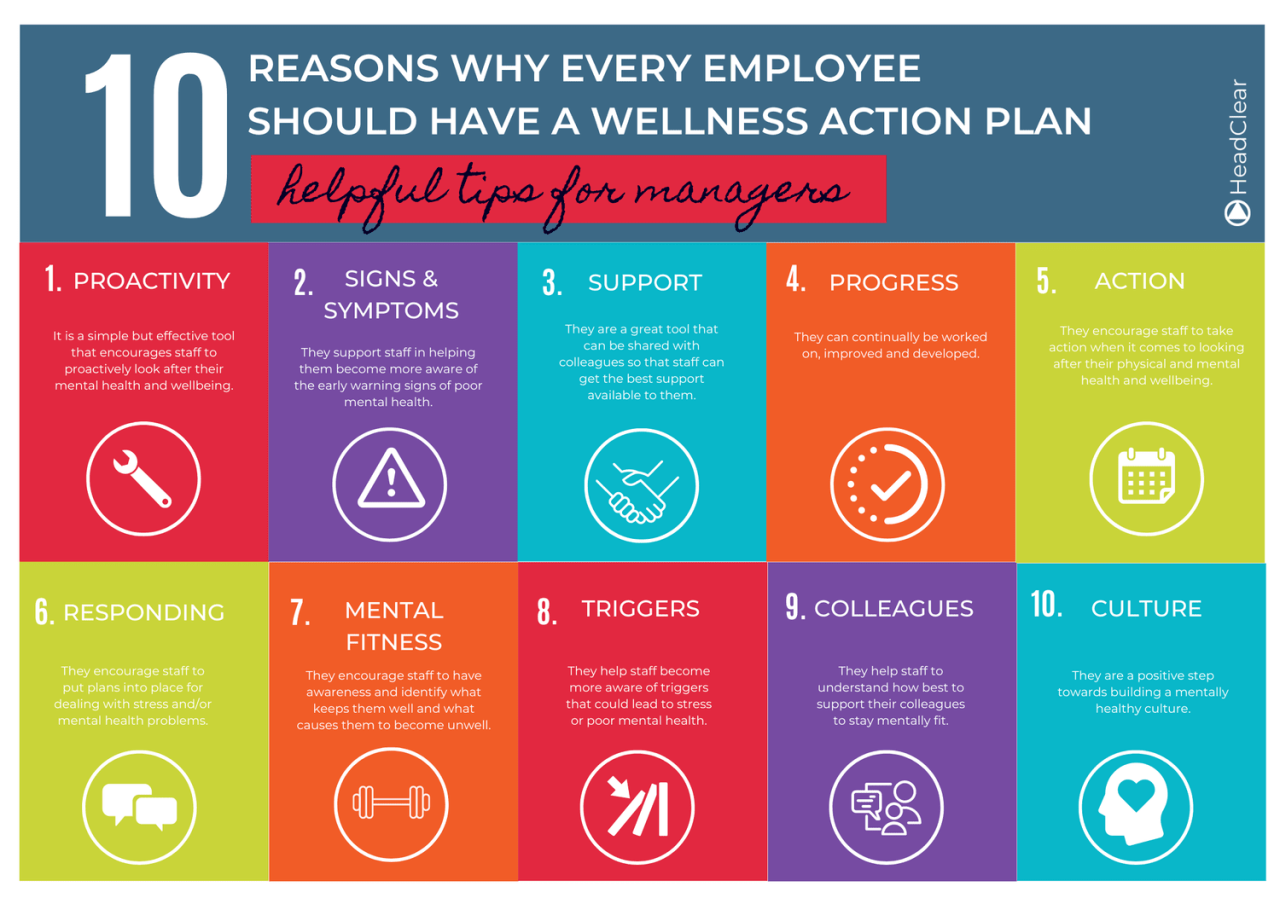
Creating a planning committee is crucial for the successful organization of Employee Wellness Month. Here are the steps, key roles, and strategies to ensure a well-rounded committee:
Steps for Forming a Planning Committee:
- Select a diverse group of individuals from different departments within the organization.
- Set clear objectives and goals for the committee's work during Employee Wellness Month.
- Establish regular meeting schedules to discuss progress and make decisions.
- Assign specific tasks and responsibilities to each committee member based on their expertise.
Key Roles and Responsibilities within the Committee:
- Chairperson: Leads meetings, ensures objectives are met, and serves as the main point of contact.
- Event Coordinator: Plans and executes wellness events, activities, and initiatives.
- Communications Manager: Handles internal and external communication about Employee Wellness Month.
- Finance Officer: Manages budgeting and financial aspects of the wellness initiatives.
Strategies for Ensuring Diverse Representation:
- Implement a nomination process to encourage employees from all levels and departments to join the committee.
- Consider appointing members from different cultural backgrounds to bring unique perspectives to the planning process.
- Ensure gender diversity within the committee to promote inclusivity and diverse decision-making.
- Provide training and resources to all committee members to support their contributions effectively.
Theme Selection
Choosing the right theme for your Employee Wellness Month is crucial to engage employees across different demographics and create a meaningful impact. It is essential to align the theme with your company's values and goals to ensure a cohesive and impactful wellness program. Let's explore some tips for selecting a theme that resonates with employees and share examples of popular themes used in previous Employee Wellness Months.Tips for Theme Selection
- Consider conducting surveys or focus groups to understand what wellness initiatives resonate most with employees.
- Take into account the diverse demographics within your organization to choose a theme that is inclusive and relevant to everyone.
- Reflect on your company's core values and goals to select a theme that aligns with the overall mission of the organization.
- Think about current trends in wellness and employee engagement to stay relevant and appealing to employees.
Significance of Alignment with Company Values and Goals
Aligning the theme of Employee Wellness Month with your company's values and goals is essential for creating a cohesive wellness program. When employees see that the wellness initiatives are in line with the organization's mission and vision, they are more likely to participate and engage actively. It reinforces the company culture and promotes a sense of unity among employees.
Examples of Popular Themes
| Theme | Description |
|---|---|
| Healthy Body, Healthy Mind | Focuses on promoting physical and mental well-being through fitness challenges, mindfulness sessions, and nutrition workshops. |
| Balancing Act | Emphasizes work-life balance with activities such as stress management workshops, flexible work arrangements, and time management training. |
| Team Wellness Challenge | Fosters teamwork and camaraderie through team-based wellness activities like step challenges, group workouts, and healthy cooking competitions. |
Event and Activity Planning
Planning a variety of wellness activities and events is crucial for a successful Employee Wellness Month. It is important to balance physical, mental, and emotional well-being activities throughout the month to ensure holistic wellness for employees. Additionally, incorporating virtual events or activities for remote employees is essential to ensure inclusion and participation for all members of the organization.
Physical Well-being Activities
- Organize virtual fitness classes such as yoga, Zumba, or HIIT workouts.
- Encourage walking or running challenges for employees to participate in.
- Host healthy cooking workshops or nutrition webinars to promote healthy eating habits.
Mental Well-being Activities
- Offer mindfulness and meditation sessions to help employees manage stress and anxiety.
- Provide access to mental health resources and counseling services for employees in need.
- Organize virtual team-building activities to foster a sense of community and support among employees.
Emotional Well-being Activities
- Implement gratitude challenges where employees can share what they are grateful for each day.
- Host virtual support groups or wellness circles for employees to connect and share their experiences.
- Offer workshops on emotional intelligence and communication skills to enhance interpersonal relationships.
Virtual Events for Remote Employees
- Organize virtual coffee breaks or happy hours for remote employees to socialize and bond with colleagues.
- Host virtual team-building games or quizzes to engage remote teams and promote collaboration.
- Provide access to virtual wellness resources such as online meditation apps or mental health webinars.
Communication Strategy
Effective communication plays a crucial role in promoting Employee Wellness Month within a Fortune 500 company. It ensures that all employees are well-informed about the upcoming events and activities, leading to higher participation and engagement. Here are some ways to create buzz and excitement around the wellness initiatives and tips for utilizing different communication channels to reach all employees.Creating Buzz and Excitement
- Organize a teaser campaign: Build anticipation by releasing small hints or teasers about the events and activities leading up to the Employee Wellness Month.
- Utilize social media platforms: Post engaging content, such as countdowns, behind-the-scenes sneak peeks, and testimonials from previous participants on platforms like Facebook, Instagram, and LinkedIn.
- Encourage word-of-mouth promotion: Empower employees to share their excitement with colleagues through informal discussions or by forming wellness groups.
- Host a kickoff event: Organize a launch event to kickstart the Employee Wellness Month with energy and enthusiasm, setting the tone for the rest of the activities.
Utilizing Different Communication Channels
- Email newsletters: Send out regular newsletters with updates on the Employee Wellness Month schedule, highlighting key events and activities.
- Intranet announcements: Use the company's intranet to post detailed information about wellness initiatives, including sign-up instructions and event details.
- Interactive workshops: Conduct interactive workshops to educate employees about the importance of wellness and provide them with tools to participate effectively.
- Manager briefings: Equip managers with the necessary information to communicate effectively with their teams about the Employee Wellness Month and encourage participation.
Budgeting and Resource Allocation
When it comes to planning your Employee Wellness Month, budgeting and resource allocation play a crucial role in ensuring the success of your initiatives. Here are some guidelines to help you make the most of your resources and funds.Potential Funding Sources and Sponsorship
- Consider reaching out to your company's leadership or management for budget allocation specifically for Employee Wellness Month.
- Explore potential sponsors within your organization or external partners who may be interested in supporting wellness initiatives.
- Look into wellness grants or funding opportunities that align with your objectives.
Cost-effective Wellness Activities
- Organize virtual wellness sessions led by in-house experts or external professionals to reduce costs associated with venue rentals.
- Utilize free resources such as online fitness classes, meditation apps, or nutrition webinars for wellness activities.
- Encourage employee participation in wellness challenges that require minimal resources but offer significant health benefits.
Evaluation and Feedback
Evaluation and feedback are crucial aspects of Employee Wellness Month initiatives as they help in assessing the effectiveness of the programs and gathering insights for future improvements.Importance of Evaluation
- Allows HR to determine the impact of wellness programs on employee engagement, productivity, and overall satisfaction.
- Helps in identifying successful initiatives that can be repeated in the future and those that need to be revised or eliminated.
- Provides valuable data for justifying the budget and resources allocated to wellness programs.
Collecting Feedback Methods
- Conducting surveys or questionnaires to gather input from employees about their experiences and suggestions for improvement.
- Organizing focus groups or feedback sessions to facilitate open discussions and deeper insights.
- Utilizing digital platforms or wellness apps to track employee participation and engagement levels.
Analyzing Data and Measuring Impact
- Utilize key performance indicators (KPIs) such as absenteeism rates, turnover rates, and employee satisfaction scores to measure the impact of wellness initiatives.
- Compare current data with baseline metrics to track progress and improvements over time.
- Consider qualitative feedback along with quantitative data to gain a comprehensive understanding of the program's effectiveness.
Final Wrap-Up
As we conclude this insightful journey into planning Employee Wellness Month, it's evident that prioritizing employee well-being is not just a trend but a necessity in today's corporate landscape. By following the guidelines Artikeld in this guide, HR professionals in Fortune 500 companies can create a culture of wellness that benefits both employees and the organization as a whole.
Expert Answers
How can I ensure diverse representation in the planning committee?
One way to ensure diversity is by inviting employees from different departments and levels within the organization to participate in the committee.
What are some cost-effective ideas for wellness activities?
Consider organizing walking challenges, meditation sessions, or virtual fitness classes that don't require a significant financial investment.
How can I measure the impact of wellness initiatives?
You can measure impact through employee surveys, participation rates in activities, and tracking changes in key wellness metrics over time.

