

Kicking off with Well B Audits: How to Identify Gaps in Your Employee Support System, this opening paragraph is designed to captivate and engage the readers, setting the tone casual formal language style that unfolds with each word.
The content of the second paragraph that provides descriptive and clear information about the topic
Understanding Well B Audits
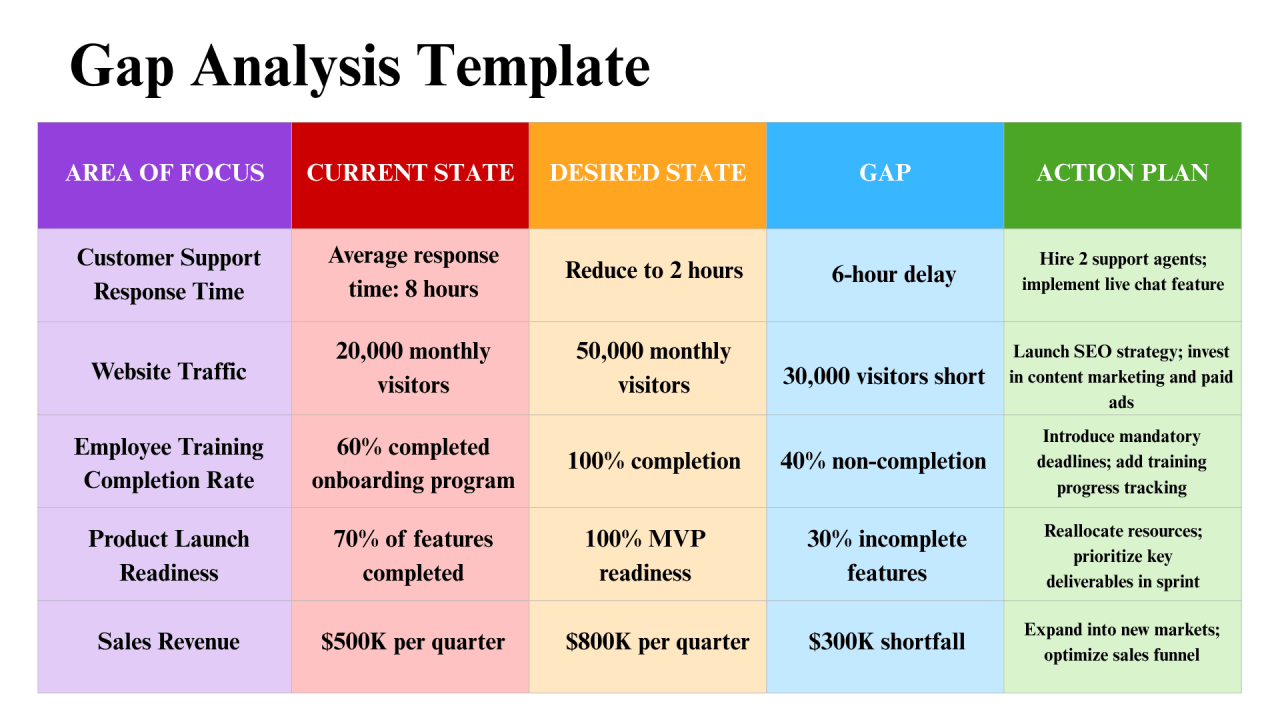 Well B Audits refer to a comprehensive assessment of the employee support system within a company. This type of audit focuses on evaluating the effectiveness of the resources, policies, and procedures in place to support employees in their roles.
Importance of Conducting Well B Audits
- Identifying gaps in the employee support system: Well B Audits help in pinpointing areas where the support system may be lacking or ineffective, allowing for targeted improvements.
- Enhancing employee satisfaction and performance: By addressing deficiencies in the support system, companies can boost employee morale, productivity, and overall satisfaction.
- Reducing turnover and absenteeism: A strong employee support system can help in retaining talent and reducing absenteeism, leading to cost savings for the company.
Goals of Well B Audits and Their Differences
- Assessing the accessibility of support resources: Well B Audits aim to evaluate how easily employees can access the support they need to perform their tasks effectively.
- Evaluating the effectiveness of support policies: These audits look at whether the existing policies and procedures are meeting the needs of employees and fostering a positive work environment.
- Identifying areas for improvement: Unlike financial audits or compliance audits, Well B Audits focus specifically on enhancing the support system to drive employee success and well-being.
Identifying Gaps in Your Employee Support System
Having an effective employee support system is crucial for the success of any organization. Here are some common indicators that there may be gaps in your current employee support system:
Common Indicators of Gaps in Employee Support System
- High employee turnover rates
- Increased absenteeism
- Low employee morale
- High levels of stress and burnout
- Employee complaints or grievances
Assessing the effectiveness of your current support systems is essential to identify gaps and improve employee satisfaction. Here are some methods to evaluate your existing support systems:
Methods to Assess Effectiveness of Support Systems
- Conducting employee surveys to gather feedback
- Monitoring key performance indicators related to employee well-being
- Reviewing turnover rates and exit interviews for insights
- Regularly engaging with employees through focus groups or one-on-one meetings
Examples of potential gaps that may exist in employee support systems include:
Potential Gaps in Employee Support Systems
| Lack of Training and Development Opportunities | Employees feel stagnant in their roles and lack opportunities for growth. |
| Poor Communication Channels | Employees struggle to communicate feedback or raise concerns due to ineffective channels. |
| Inadequate Mental Health Support | Employees do not have access to resources or programs to support their mental well-being. |
Strategies for Gap Analysis
In order to conduct a thorough gap analysis in an employee support system, there are several key steps that need to be followed. Feedback from employees plays a crucial role in identifying these gaps, as they are the ones directly impacted by the support system. Additionally, benchmarking can be a valuable tool in identifying areas for improvement by comparing the organization's practices with those of industry leaders or best practices.Steps for Conducting a Thorough Gap Analysis
- Define the objectives and scope of the analysis to establish clear goals.
- Collect data through surveys, interviews, and other feedback mechanisms to understand the current state of the employee support system.
- Analyze the data to identify patterns, trends, and areas of improvement.
- Compare the current state with the desired state to pinpoint specific gaps that need to be addressed.
- Develop an action plan with concrete steps to bridge the identified gaps and improve the employee support system.
Role of Feedback from Employees in Identifying Gaps
- Employees are the end-users of the support system and can provide valuable insights into its effectiveness.
- Feedback from employees can highlight areas of dissatisfaction, inefficiencies, or lack of resources within the system.
- Engaging employees in the gap analysis process can lead to higher buy-in for proposed solutions and foster a culture of continuous improvement.
Illustrating How Benchmarking Can Identify Areas for Improvement
Benchmarking involves comparing the organization's processes, practices, and performance metrics with those of industry leaders or competitors to identify areas where improvements can be made.
- By benchmarking against best practices, organizations can identify gaps in their employee support system and learn from successful strategies implemented elsewhere.
- Benchmarking can provide concrete data and metrics to support the identification of areas for improvement, making the gap analysis process more objective and actionable.
- Utilizing benchmarking data can help organizations set realistic goals for enhancing their employee support system and track progress over time.
Implementing Changes and Improvements
Implementing changes and improvements in an employee support system is crucial for enhancing overall organizational performance and employee well-being. By addressing identified gaps, organizations can create a more supportive and productive work environment. This involves implementing strategies tailored to the specific needs of employees and the organization as a whole.Suggest Strategies for Addressing Identified Gaps
- Provide training and development opportunities: Offer training programs to address skill gaps and enhance employee capabilities.
- Enhance communication channels: Establish open lines of communication between management and employees to address concerns and provide feedback.
- Implement wellness programs: Promote employee well-being through initiatives such as health screenings, fitness classes, and mental health resources.
- Offer flexible work arrangements: Allow employees to have a better work-life balance by providing options for remote work or flexible schedules.
Examples of Successful Interventions
- Company A implemented a mentorship program to help new employees adapt to the company culture and enhance their skills.
- Organization B introduced a recognition program to acknowledge and reward employees for their hard work and achievements.
- Company C conducted regular feedback surveys to gather employee input and make improvements based on the feedback received.
The Importance of Monitoring and Evaluating Changes Post-Implementation
By monitoring and evaluating changes post-implementation, organizations can assess the effectiveness of interventions and make adjustments as needed. This helps in identifying areas of improvement and ensuring that the employee support system continues to meet the evolving needs of the workforce. Regular evaluation also allows organizations to measure the impact of changes on employee engagement, satisfaction, and overall performance.Conclusive Thoughts
The content of the concluding paragraph that provides a summary and last thoughts in an engaging manner
Essential FAQs
What are some common indicators of gaps in an employee support system?
Common indicators include high turnover rates, low employee morale, and frequent complaints about lack of support.
How can benchmarking help identify areas for improvement in employee support systems?
Benchmarking allows companies to compare their support systems with industry best practices, highlighting areas that need enhancement.
Why is monitoring and evaluating changes post-implementation important in addressing gaps in employee support systems?
Monitoring and evaluation ensure that the implemented changes are effective and help in making further adjustments if needed.

