

Starting with Is Your Mywellbeing Program Data-Secure? GDPR Tips for EU Employers, this introductory paragraph aims to capture the readers' interest and provide a brief overview of the topic.
Following up with a detailed description of the subject matter
Overview of Mywellbeing Program Data Security
Data security is a critical aspect of Mywellbeing programs, ensuring the protection of sensitive information related to employees' health and well-being. Without proper security measures in place, the program's data is at risk of unauthorized access, manipulation, or exposure, leading to severe consequences for both employees and employers.Potential Risks of Inadequate Data Security
- Unauthorized access to personal health information
- Data manipulation leading to inaccurate insights
- Exposure of sensitive employee data to third parties
Implications of Data Breaches in Mywellbeing Programs
- Data breaches can result in legal consequences for employers, violating privacy regulations
- Loss of employee trust and confidence in the program and the organization
- Financial implications due to penalties, legal fees, and reputation damage
Understanding GDPR Compliance for EU Employers
General Data Protection Regulation (GDPR) is a regulation in EU law on data protection and privacy for all individuals within the European Union and the European Economic Area. It addresses the export of personal data outside the EU and EEA areas. GDPR aims to give control to individuals over their personal data and simplify the regulatory environment for international business by unifying the regulation within the EU.
Define GDPR and its significance for data protection
- GDPR sets a high standard for data privacy and protection, requiring organizations to implement strict measures to safeguard personal data.
- It emphasizes transparency, accountability, and individual rights in the processing of personal data.
- Non-compliance with GDPR can result in hefty fines, damage to reputation, and loss of trust from customers.
Detail the specific requirements of GDPR for employers in the EU
- Employers must obtain explicit consent from employees to collect and process their personal data.
- They should implement data protection measures such as encryption, access controls, and regular security assessments.
- Employers must appoint a Data Protection Officer (DPO) to ensure compliance with GDPR requirements.
Compare GDPR regulations with other data protection laws globally
- GDPR provides a comprehensive framework for data protection, with strict requirements and severe penalties for non-compliance.
- Compared to other data protection laws globally, GDPR is considered one of the most stringent regulations in terms of protecting individuals' rights and data privacy.
- Many countries have updated their data protection laws to align with GDPR principles to ensure the protection of personal data.
Implementing Data Security Measures in Mywellbeing Programs
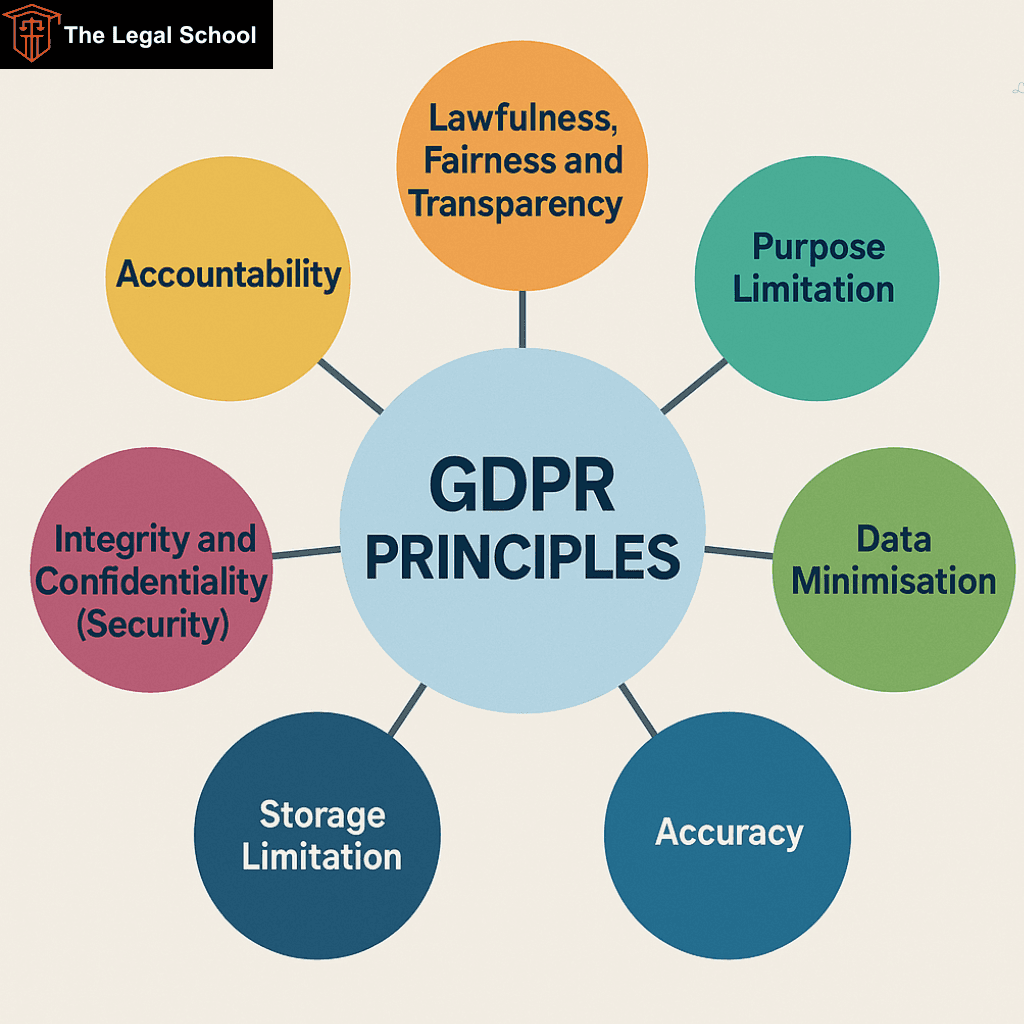
Ensuring data security in Mywellbeing programs is crucial to protect sensitive information and maintain GDPR compliance. Here are some tips to help you secure data effectively:
Encryption Methods to Protect Sensitive Data
- Utilize strong encryption algorithms to secure data both at rest and in transit.
- Implement end-to-end encryption to safeguard data from unauthorized access.
- Regularly update encryption keys and ensure they are stored securely.
Data Access Control and User Authentication Best Practices
- Implement role-based access control to restrict data access based on user roles and responsibilities.
- Enforce strong password policies, including multi-factor authentication for added security.
- Regularly review and audit user access permissions to prevent unauthorized data access.
Ensuring GDPR Compliance in Mywellbeing Programs
When it comes to Mywellbeing programs, ensuring GDPR compliance is crucial to protect the personal data of employees and maintain trust within the organization. This involves implementing specific steps and procedures to adhere to the regulations set forth by the GDPR.
Role of Data Protection Officers in GDPR Compliance
Data Protection Officers (DPOs) play a vital role in ensuring GDPR compliance within Mywellbeing programs. They are responsible for overseeing data protection strategies, monitoring compliance with GDPR requirements, and acting as a point of contact between the organization and supervisory authorities.
It is essential for organizations to appoint a knowledgeable and experienced DPO to navigate the complexities of GDPR compliance effectively.
Conducting Data Protection Impact Assessments
Conducting Data Protection Impact Assessments (DPIAs) is a necessary process to identify and mitigate risks to personal data within Mywellbeing programs. DPIAs help organizations understand the impact of their data processing activities on individuals' privacy and ensure compliance with GDPR principles.
By conducting DPIAs, organizations can proactively address data protection risks and implement measures to enhance the security and privacy of personal data.
Closure
Concluding with a summary of the key points discussed, this paragraph wraps up the discussion in an engaging manner.
FAQ Insights
What are the potential risks of inadequate data security measures in Mywellbeing programs?
The potential risks include data leaks, unauthorized access, and compromised sensitive information, leading to legal and reputational consequences. Implementing robust security measures is crucial to mitigate these risks.
What are the specific requirements of GDPR for employers in the EU?
GDPR mandates that employers in the EU must obtain clear consent for data processing, appoint a Data Protection Officer if necessary, implement data protection measures, and notify authorities of data breaches within 72 hours.
How can employers ensure GDPR compliance within Mywellbeing programs?
Employers can ensure GDPR compliance by conducting regular audits of data processing activities, implementing privacy by design principles, providing data subject rights, and maintaining detailed records of data processing activities.

