

Embarking on the journey of Venture Capital Trends: What Investors Look for in SaaS Startups in 2026, we delve into the realm of investment strategies and market dynamics that shape the future of SaaS startups. This exploration promises a captivating insight into the evolving landscape of technology and innovation in the business world.
Exploring the key factors that drive investor interest and the pivotal role of scalability, recurring revenue, and market potential in the success of SaaS ventures sets the stage for an intriguing narrative ahead.
What Investors Look for in SaaS Startups in 2026
Investing in SaaS startups requires careful consideration of various factors to ensure a successful return on investment. Venture capitalists closely examine specific aspects of these startups to determine their potential for growth and profitability. Let's explore the key factors that investors look for in SaaS startups in 2026.Key Factors Considered by Venture Capitalists
- Scalability: Investors seek SaaS startups with the potential to scale rapidly and efficiently. Scalability is crucial for achieving significant growth and capturing a larger market share.
- Recurring Revenue Model: SaaS companies that offer subscription-based services with predictable recurring revenue streams are highly attractive to investors. This model provides stability and long-term value.
- Market Potential: Venture capitalists assess the market size, competition, and overall potential for growth in the SaaS industry. Startups operating in niche markets with high demand have a competitive edge.
Current Trends in the SaaS Industry
- AI and Machine Learning Integration: SaaS startups incorporating artificial intelligence and machine learning capabilities are gaining traction due to their ability to enhance product offerings and customer experiences.
- Vertical SaaS Solutions: Investors are increasingly interested in SaaS startups that provide industry-specific solutions tailored to meet the unique needs of vertical markets.
- Remote Work Tools: The shift towards remote work has created a demand for SaaS tools that facilitate collaboration, communication, and productivity in a virtual environment.
Market Trends and Opportunities
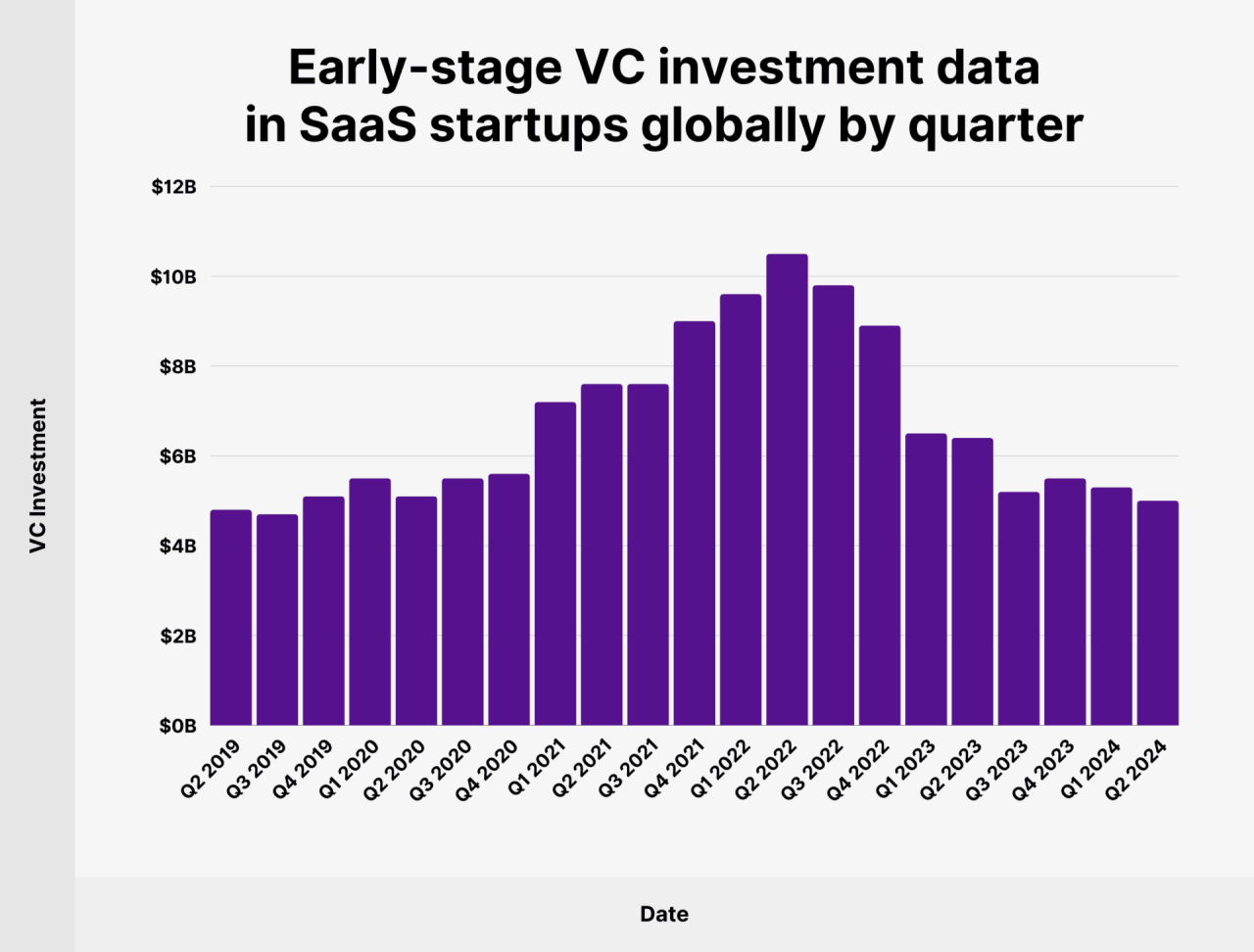 The SaaS market is currently experiencing rapid growth and evolution as businesses across various industries continue to adopt cloud-based software solutions. Investors are closely monitoring the market trends and opportunities in this sector to capitalize on emerging technologies and business models.
Emerging Trends in SaaS Business Models and Technologies
- Increased focus on AI and machine learning integration to enhance automation and personalization of services.
- Rise of vertical SaaS solutions tailored to specific industries or niche markets for more targeted and specialized offerings.
- Shift towards subscription-based pricing models for better revenue predictability and customer retention.
- Growing importance of cybersecurity and data privacy features to address increasing concerns around online security.
Opportunities in Different SaaS Subsectors
Investors are exploring opportunities in various SaaS subsectors, each offering unique potential for growth and innovation:
- CRM (Customer Relationship Management): With a focus on improving customer interactions and retention, CRM solutions are in high demand across industries.
- HR (Human Resources): HR software is evolving to streamline recruitment, employee management, and training processes for enhanced workforce efficiency.
- Cybersecurity: The increasing threat of cyber attacks has led to a surge in demand for advanced cybersecurity solutions to protect sensitive data and networks.
Technology and Innovation
In 2026, technological innovations continue to play a crucial role in shaping the SaaS industry, enabling startups to stay competitive and meet the evolving needs of customers. Let's explore some of the cutting-edge technologies that are driving innovation in the SaaS space.Artificial Intelligence (AI) Integration
AI has become a game-changer for SaaS startups, allowing them to automate processes, personalize user experiences, and gain valuable insights from data. By leveraging AI-powered tools such as chatbots, predictive analytics, and natural language processing, SaaS companies can enhance their products and services, streamline operations, and deliver more value to customers.Machine Learning Algorithms
Machine learning algorithms are being increasingly used by SaaS startups to optimize business operations, improve decision-making processes, and drive innovation. By analyzing large datasets and identifying patterns, machine learning algorithms help SaaS companies make data-driven decisions, enhance product performance, and offer personalized solutions to users.Blockchain Technology
Blockchain technology is revolutionizing the way SaaS startups manage data security, transparency, and trust in their operations. By implementing blockchain-based solutions, SaaS companies can ensure secure transactions, protect sensitive information, and build decentralized applications that are resistant to tampering and fraud. This technology also enables greater collaboration and efficiency in the SaaS ecosystem, paving the way for new business models and opportunities.Customer Acquisition and Retention Strategies
In the competitive landscape of SaaS startups, customer acquisition and retention strategies play a crucial role in the success of a business. These strategies determine how effectively a company can attract and retain customers in order to sustain growth and profitability.Customer lifetime value (CLV) and customer acquisition cost (CAC) are two key metrics that investors closely monitor when evaluating SaaS startups. CLV represents the total revenue a company expects to earn from a customer throughout their entire relationship, while CAC measures the cost associated with acquiring a new customer. A healthy balance between CLV and CAC is essential for long-term success, as it indicates that the company is able to acquire customers at a reasonable cost relative to the value they bring.Personalized customer experiences and a strong product-market fit are also critical factors that influence investor decisions. Startups that prioritize understanding their target market, delivering tailored solutions, and providing exceptional customer service are more likely to attract and retain customers. Investors recognize the importance of these elements in building a sustainable business model and are more inclined to support companies that demonstrate a deep understanding of their customers' needs and preferences.Effective Customer Acquisition Strategies
- Implementing targeted marketing campaigns to reach potential customers
- Utilizing social media and digital advertising to increase brand visibility
- Offering free trials or freemium models to encourage product adoption
- Building strategic partnerships with complementary businesses for cross-promotion
Key Retention Strategies
- Providing ongoing customer support and engagement to foster long-term relationships
- Regularly collecting feedback to improve product features and address customer pain points
- Offering incentives such as loyalty programs or discounts for repeat business
- Investing in customer success teams to ensure clients are maximizing the value of the product
Financial Performance and Metrics
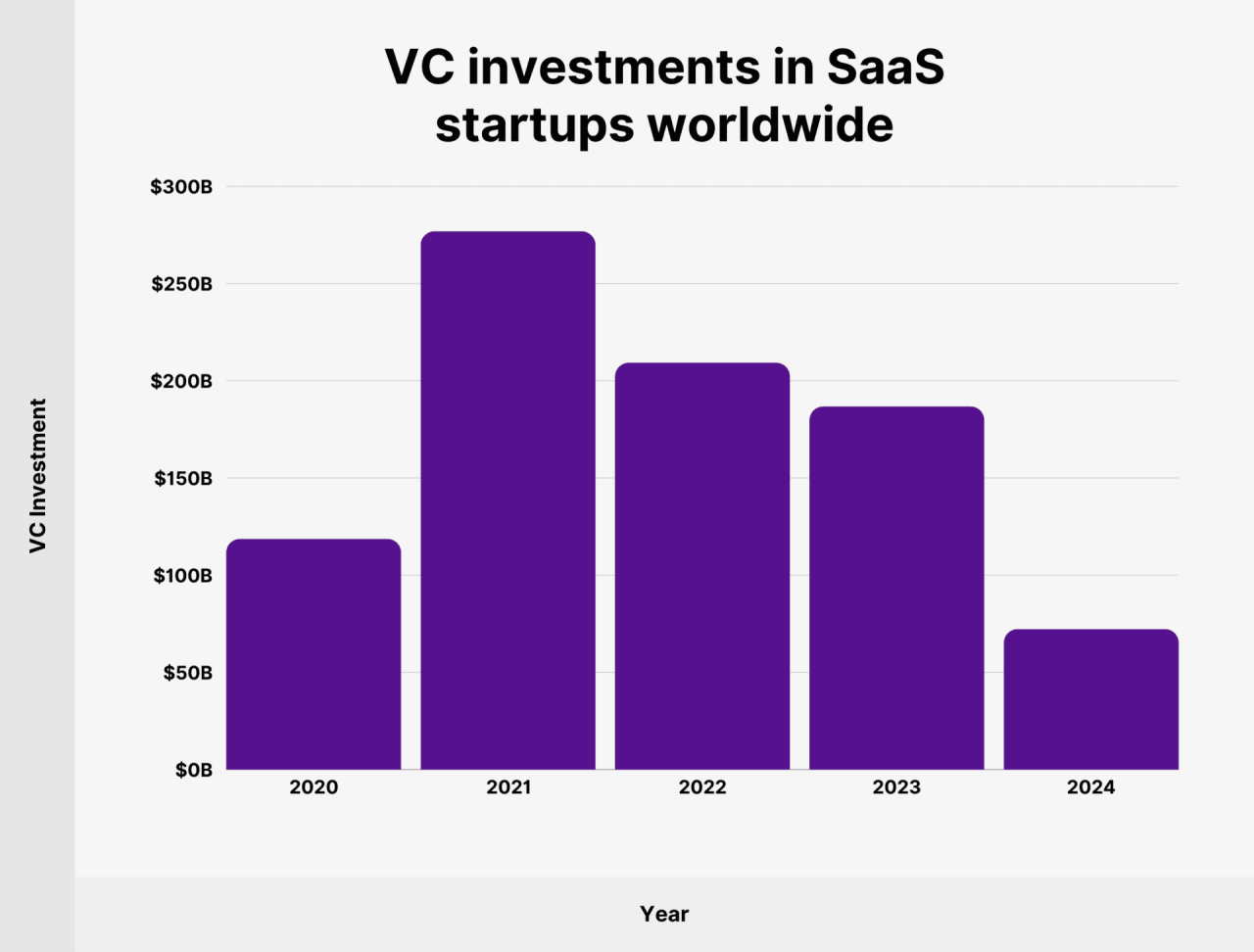 When evaluating SaaS startups, investors pay close attention to key financial metrics that provide insights into the company's performance and growth potential.
Key Financial Metrics
- Monthly Recurring Revenue (MRR): MRR is a crucial metric that indicates the predictable revenue stream generated by a SaaS company on a monthly basis. Investors look for steady growth in MRR as it reflects the scalability of the business.
- Annual Recurring Revenue (ARR): ARR is the annualized version of MRR and provides a broader view of the company's revenue potential. It helps investors assess the long-term growth trajectory of the startup.
- Churn Rate: Churn rate measures the percentage of customers who cancel their subscriptions within a specific period. Low churn rates indicate customer satisfaction and retention, which are essential for sustainable growth.
- Gross Margin: Gross margin reveals the profitability of the SaaS company by indicating the percentage of revenue that exceeds the cost of goods sold. Investors prefer startups with high gross margins as it signifies strong financial health.
Effective monitoring and improvement of these financial metrics are crucial for attracting investor interest and securing funding for SaaS startups.
Summary
As we conclude our discussion on Venture Capital Trends: What Investors Look for in SaaS Startups in 2026, we reflect on the essential components that define successful investments in the ever-changing world of technology. The interplay between financial performance, customer strategies, and technological advancements underscores the dynamic nature of the industry, offering a glimpse into the future landscape of SaaS startups.
Essential FAQs
What are the key factors that venture capitalists consider when investing in SaaS startups?
Investors typically look for scalability, recurring revenue streams, and significant market potential in SaaS startups before making investment decisions.
How do financial metrics like MRR, ARR, Churn Rate, and Gross Margin impact funding decisions for SaaS startups?
Financial metrics play a crucial role in evaluating the performance and growth potential of SaaS companies, influencing funding decisions based on their profitability and sustainability.
Why are personalized customer experiences and product-market fit important for SaaS startups seeking investment?
Personalized customer experiences and strong product-market fit demonstrate a startup's understanding of its target audience, influencing investor decisions by showcasing potential for customer acquisition and retention.

