

Exploring The Future of Well B: AI-Driven Health Solutions for Global Teams, this introduction sets the stage for a deep dive into how AI is transforming healthcare for teams worldwide.
Providing insights into the potential of AI to revolutionize global healthcare delivery, this paragraph captivates readers with its engaging and informative content.
Overview of AI-Driven Health Solutions
AI-driven health solutions involve the use of artificial intelligence technologies to enhance healthcare services, diagnosis, treatment, and overall patient care. By leveraging AI algorithms and machine learning, healthcare providers can analyze vast amounts of data quickly and accurately to make informed decisions and improve outcomes for patients.Benefits of Using AI in Healthcare for Global Teams
- Enhanced Diagnostic Accuracy: AI can help streamline the diagnostic process by analyzing medical images, lab results, and patient data to provide accurate and timely diagnoses.
- Improved Treatment Planning: With AI, healthcare teams can access personalized treatment recommendations based on individual patient data, leading to more effective and efficient care.
- Efficient Resource Allocation: AI can optimize resource allocation by predicting patient needs, reducing wait times, and ensuring that medical staff are utilized effectively.
- Remote Monitoring and Telemedicine: AI-driven solutions enable remote monitoring of patients' health status, facilitating telemedicine consultations and providing access to care for individuals in remote or underserved areas.
How AI Can Improve Healthcare Outcomes on a Global Scale
- Precision Medicine: AI can analyze genetic, lifestyle, and environmental factors to tailor treatment plans to individual patients, leading to more personalized and effective care.
- Population Health Management: AI can analyze population data to identify trends, predict disease outbreaks, and implement proactive measures to improve public health outcomes on a global scale.
- Drug Discovery and Development: AI algorithms can accelerate the drug discovery process by analyzing biological data, predicting drug interactions, and identifying potential treatment options for various diseases.
- Cost Efficiency: By optimizing workflows, reducing errors, and enhancing decision-making processes, AI-driven health solutions can help reduce healthcare costs and improve access to quality care for individuals worldwide.
Applications of AI in Global Health Teams
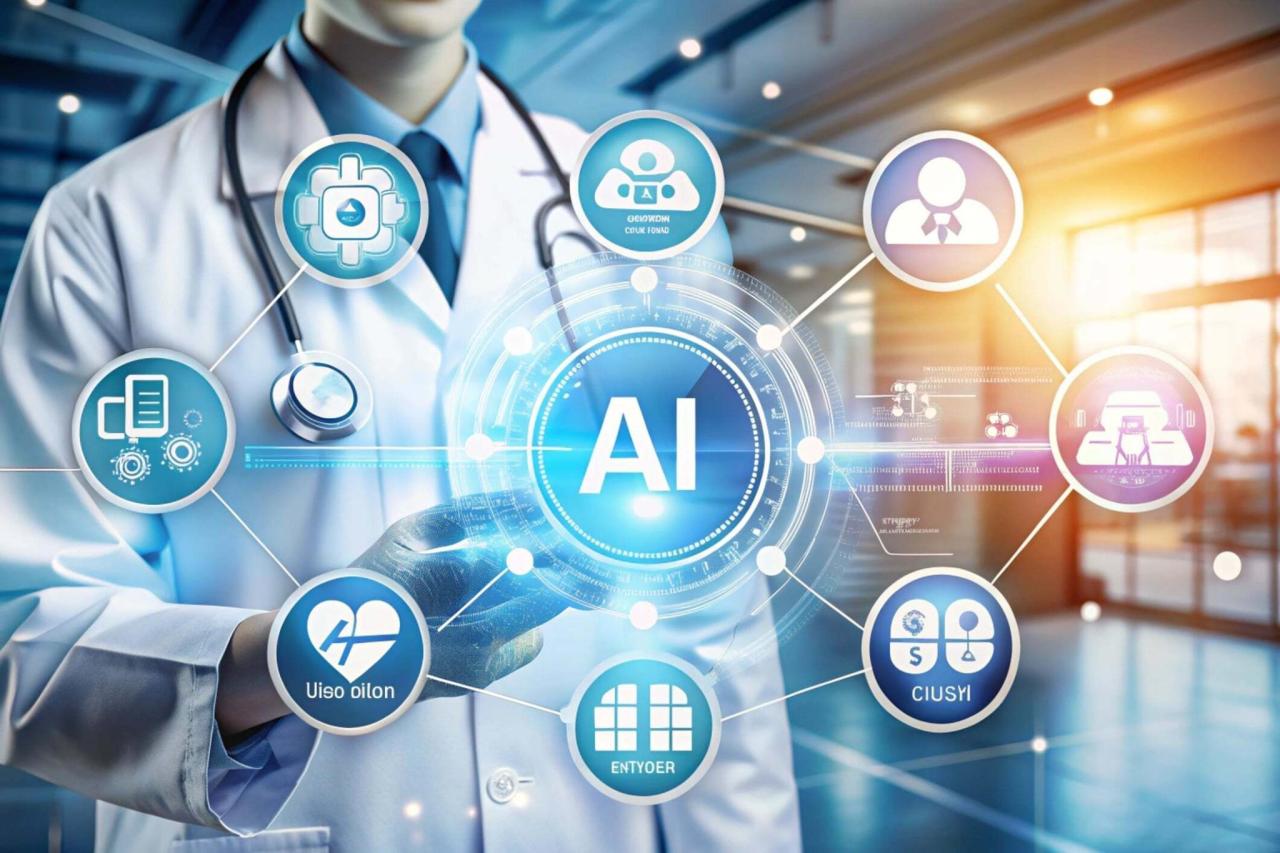 AI-driven solutions are revolutionizing the way healthcare is managed for global teams. By harnessing the power of artificial intelligence, organizations can optimize processes, improve patient outcomes, and enhance remote healthcare services. Let's explore some examples of AI applications in managing healthcare for global teams and compare them with traditional approaches.
Remote Patient Monitoring
AI-powered tools enable healthcare providers to remotely monitor patients' vital signs and health data in real-time. This allows for early detection of health issues, proactive interventions, and personalized care plans based on individual needs.Medical Imaging Analysis
AI algorithms can analyze medical images such as X-rays, MRIs, and CT scans with incredible accuracy and speed. This not only helps in faster diagnosis but also assists in identifying patterns and trends that may go unnoticed by human eyes.Telemedicine Consultations
AI chatbots and virtual assistants can provide initial triage, answer common health questions, and schedule appointments for global teams. This streamlines the process and ensures timely access to healthcare services, especially in remote or underserved areas.Drug Discovery and Development
AI algorithms can analyze vast amounts of data to identify potential drug candidates, predict their efficacy, and optimize treatment protocols for global teams. This accelerates the drug discovery process and improves the effectiveness of treatments.Personalized Healthcare Recommendations
AI can analyze individual health data, genetic information, and lifestyle factors to provide personalized recommendations for diet, exercise, medication, and preventive care. This approach ensures tailored healthcare solutions for each member of a global team.Challenges and Ethical Considerations
AI-driven health solutions hold great promise for global teams, but they also come with a set of challenges and ethical considerations that need to be carefully addressed.Challenges Faced in Implementing AI-driven Health Solutions
Implementing AI-driven health solutions for global teams can be challenging due to various factors. Some of the key challenges include:- Lack of Data Access: Access to quality and diverse data sets is crucial for training AI algorithms effectively. However, in many regions, data access is limited or restricted, making it difficult to develop AI solutions that are representative of the global population.
- Regulatory Hurdles: Different countries have varying regulations and guidelines regarding the use of AI in healthcare. Navigating these regulatory hurdles can be complex, especially when working with global teams.
- Integration with Existing Systems: Integrating AI-driven solutions with existing healthcare systems and workflows can be a cumbersome process. Ensuring seamless integration without disrupting current practices is a significant challenge.
Ethical Considerations in AI-driven Healthcare for a Diverse Global Population
When using AI in healthcare for a diverse global population, several ethical considerations must be taken into account:- Data Privacy and Security: Protecting patient data privacy and ensuring the security of sensitive information is paramount when implementing AI-driven solutions. Safeguarding patient confidentiality is essential to maintain trust in healthcare systems.
- Equity and Accessibility: AI algorithms must be designed and implemented in a way that promotes equity and accessibility for all individuals, regardless of their socio-economic background, ethnicity, or geographical location.
- Transparency and Accountability: Ensuring transparency in AI algorithms and decision-making processes is critical to building trust with patients and healthcare providers. Accountability mechanisms should be in place to address any biases or errors that may arise.
Potential Biases in AI Algorithms and Impact on Global Health Outcomes
AI algorithms are susceptible to biases that can have a significant impact on global health outcomes:- Algorithmic Bias: AI algorithms can inherit biases present in the data used to train them, leading to discriminatory outcomes for certain population groups. Addressing algorithmic bias is crucial to ensure fair and equitable healthcare delivery.
- Cultural Bias: Cultural differences among diverse global populations can influence AI algorithms and their decision-making processes. Understanding and mitigating cultural biases is essential to provide culturally sensitive healthcare solutions.
- Health Disparities: AI algorithms may inadvertently exacerbate existing health disparities by prioritizing certain groups or conditions over others. Efforts should be made to develop AI solutions that address health disparities and promote health equity worldwide.
Future Trends in AI-Driven Health Solutions
 AI-driven health solutions are continuously evolving, paving the way for future trends that will shape the landscape of global healthcare. With advancements in technology, these trends hold the potential to revolutionize healthcare delivery for teams worldwide and improve preventive measures for diverse populations.
Emerging Technologies in AI-Driven Health Solutions
- Virtual Health Assistants: AI-powered chatbots and virtual assistants will enhance patient engagement and provide personalized healthcare support.
- Predictive Analytics: Machine learning algorithms can analyze vast amounts of data to predict disease outbreaks, optimize treatment plans, and improve public health strategies.
- Robotics in Surgery: Surgical robots equipped with AI capabilities enable precision surgeries, reduce human error, and enhance surgical outcomes.
Revolutionizing Healthcare Delivery with AI Advancements
- Telemedicine Expansion: AI technologies will facilitate remote consultations, monitoring, and treatment, expanding access to healthcare for global teams in remote areas.
- Personalized Medicine: AI algorithms can analyze genetic data to tailor treatment plans, medications, and preventive measures based on individual patient profiles.
- Healthcare Automation: Automation of administrative tasks, appointment scheduling, and data management with AI will streamline healthcare processes and improve efficiency.
Role of AI in Preventive Healthcare Measures
- Population Health Management: AI can analyze population data to identify at-risk groups, develop targeted interventions, and implement preventive healthcare strategies.
- Early Disease Detection: AI-powered screening tools can detect early signs of diseases, enabling timely interventions and preventive measures to reduce disease burden.
- Behavioral Insights: AI can analyze health behaviors and patterns to provide personalized recommendations, interventions, and support for healthy lifestyle changes.
Final Summary
In conclusion, The Future of Well B: AI-Driven Health Solutions for Global Teams promises a future where advanced technologies enhance healthcare outcomes on a global scale, ensuring a healthier world for all.
Questions Often Asked
What are some common challenges in implementing AI-driven health solutions for global teams?
Some challenges include data privacy concerns, integration with existing healthcare systems, and ensuring AI algorithms are unbiased and accurate.
How can AI enhance remote healthcare services for global teams?
AI can improve remote diagnostics, provide personalized treatment recommendations, and streamline telemedicine processes for better patient care.
What future trends can we expect in AI-driven health solutions for global teams?
We can anticipate advancements in predictive analytics, personalized medicine, and increased use of AI-powered medical devices to revolutionize healthcare delivery.

